






What's Happening?
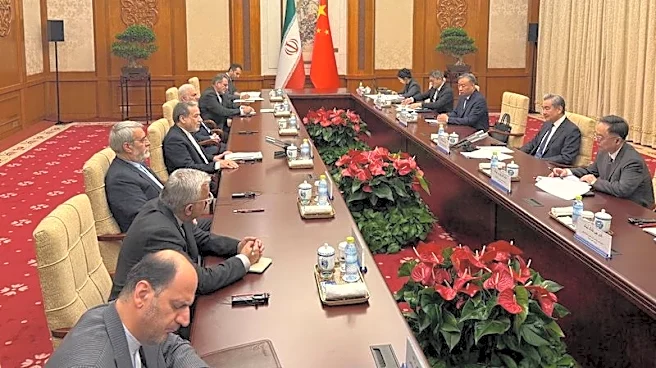
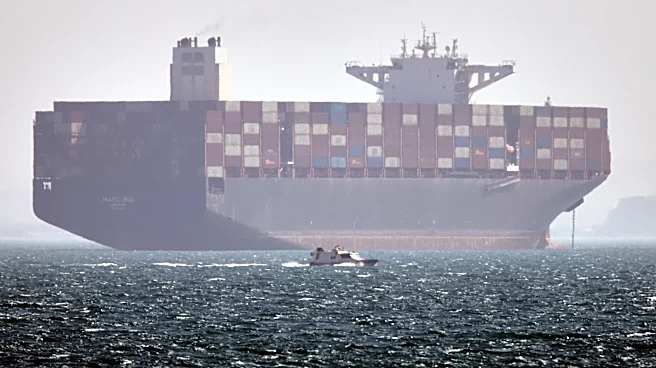
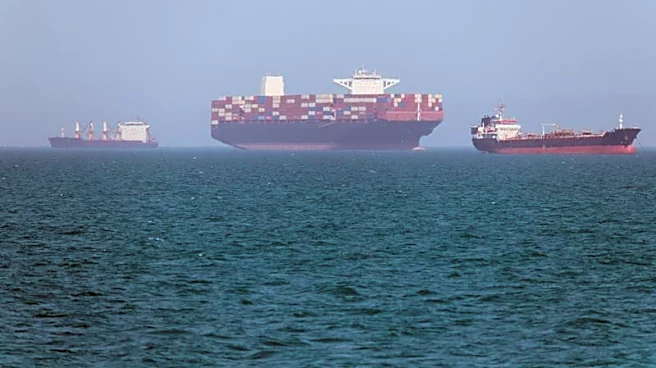
Iran is reviewing a 'one-page peace plan' proposed by the U.S., which has sparked optimism in global markets. The proposal aims to end the conflict and reopen the Strait of Hormuz, a critical passageway for oil shipments. President Trump has warned of intensified
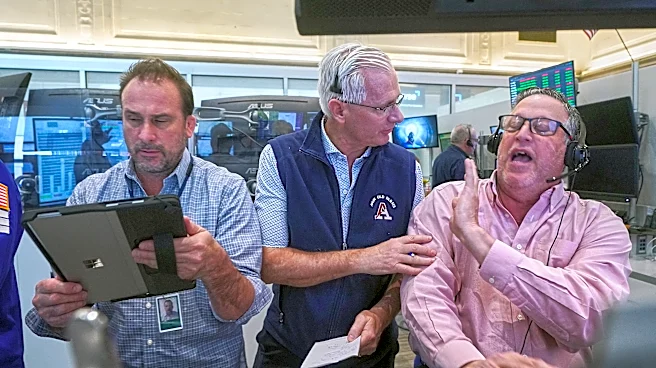
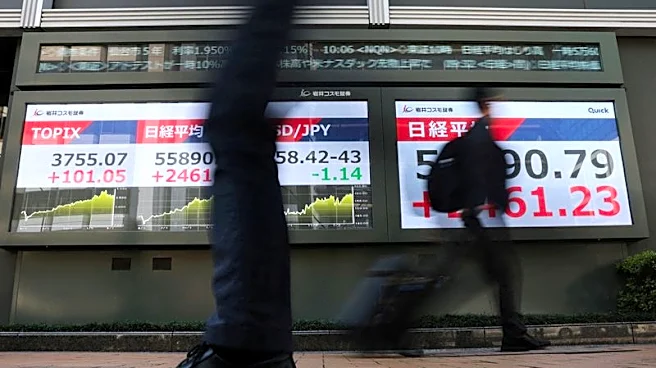
bombing if Iran does not agree to the terms. The potential agreement has led to a stabilization of oil prices and a rally in global stocks, with significant gains in Japan's Nikkei index. The U.S. military's recent suspension of efforts to assist ships through the strait followed a suspension of military access by a key Gulf ally, highlighting the complex geopolitical dynamics at play.
Why It's Important?
The reopening of the Strait of Hormuz is vital for global energy markets, as it would allow the resumption of oil shipments and stabilize prices. The U.S. proposal, if accepted, could lead to a de-escalation of tensions and benefit global economies. However, the threat of increased military action by President Trump adds uncertainty, potentially exacerbating the conflict. The outcome of these negotiations will have significant implications for international relations, energy markets, and geopolitical stability.
What's Next?
Iran's response to the U.S. proposal will be crucial in determining the next steps. A positive response could lead to the lifting of sanctions and a reopening of the strait, while a negative response may result in heightened military action. The international community, particularly oil-dependent nations, will be closely monitoring developments. The U.S. and Iran's actions in the coming days will be critical in shaping the future of the conflict and its impact on global markets.