





What's Happening?
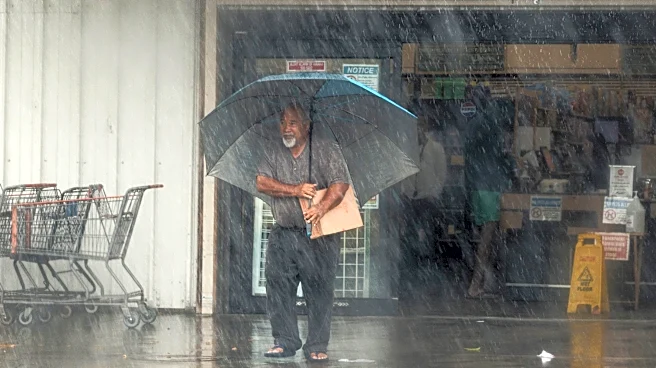
Honolulu is debating Bill 53, a proposed law that would impose fines of up to $2,000 or up to 30 days in jail for individuals found using shopping carts outside of store premises. The bill also allows for the confiscation of these carts. Introduced by
Honolulu Council Chair Tommy Waters, the measure aims to curb shopping cart theft and abandonment, which he states create safety hazards by obstructing sidewalks, bus stops, parks, and waterways. Supporters, including retailers and law enforcement, argue that the bill would help recover stolen property and address public nuisance issues. They highlight that shopping carts are valuable assets for businesses, costing hundreds of dollars to replace, and their loss contributes to rising grocery prices. Critics, however, contend that the bill disproportionately affects homeless residents who rely on shopping carts to transport their belongings, effectively criminalizing poverty rather than addressing its root causes.
Why It's Important?
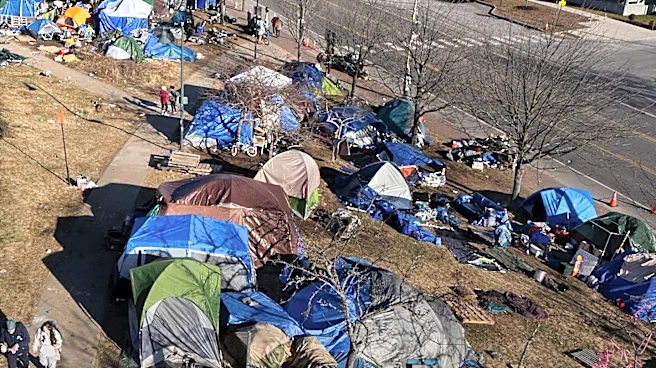
This proposed legislation in Honolulu highlights a growing tension between public order concerns and the humanitarian needs of vulnerable populations, particularly the homeless. With over 2,300 people living on Oʻahu’s streets, the bill's potential impact on this community is significant, as many rely on shopping carts for survival, using them to carry essential belongings. The debate underscores a broader societal challenge in U.S. cities: how to manage public spaces and property while addressing the complex issue of homelessness. Retailers' support for the bill reflects their financial losses due to cart theft and abandonment, which they argue contribute to increased operational costs and, consequently, higher consumer prices. Law enforcement views the bill as a necessary tool to close an enforcement gap, allowing them to penalize individuals for possessing carts without requiring retailers to pursue theft cases. This situation exemplifies the difficulty in balancing business interests, public safety, and social welfare in urban environments.
What's Next?
Bill 53 has passed its first reading, indicating it will proceed through the legislative process in Honolulu. The next steps will involve further committee hearings, public testimony, and votes by the city council. The debate is expected to continue, with strong arguments from both proponents, who emphasize public safety and property rights, and opponents, who advocate for the rights and needs of the homeless. If passed, the bill would likely face challenges regarding its implementation and potential legal scrutiny, particularly concerning its impact on civil liberties and its effectiveness in addressing the underlying issues of homelessness. There could also be increased calls for alternative solutions, such as expanding homeless services, providing secure storage options for personal belongings, or implementing cart retrieval programs that do not involve criminal penalties. The outcome in Honolulu could set a precedent for other U.S. cities grappling with similar issues.
Beyond the Headlines
The Honolulu shopping cart bill delves into the ethical and practical complexities of urban governance, particularly concerning visible signs of poverty and homelessness. By criminalizing the possession of shopping carts, the legislation risks pushing homeless individuals further into the margins, making it harder for them to access services and potentially separating them from vital belongings, including medications and identification. This approach can exacerbate the challenges of rehousing and reintegrating individuals into society. The high cost of incarceration in Hawaiʻi, which is double the national average, also raises questions about the economic efficiency of such punitive measures compared to investing in social services and affordable housing. The debate reflects a broader societal struggle to distinguish between addressing symptoms and tackling root causes. It highlights how policies intended to improve public aesthetics or protect property can inadvertently create more profound social problems, prompting a reevaluation of compassionate and effective solutions for homelessness.