







What's Happening?
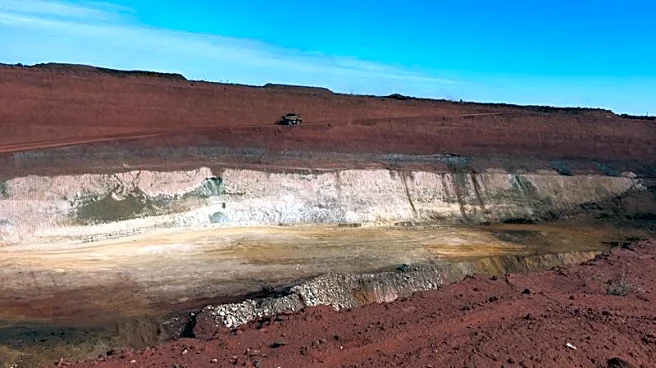
The Swedish mining company LKAB has been granted an environmental permit by the Land and Environmental Court for its planned industrial park in Luleå, Northern Sweden. This development is a significant step in LKAB's initiative to enhance Europe's self-sufficiency
in critical raw materials. The industrial park will focus on processing phosphorus for mineral fertilizers and rare earth elements, which are crucial for various industries, including agriculture and technology. The project is part of a broader strategy to reduce Europe's dependency on imports of these materials, particularly from countries like China and Russia. The court's decision is seen as a crucial milestone, allowing LKAB to proceed with its plans to establish a Nordic and European value chain for these strategic minerals.
Why It's Important?
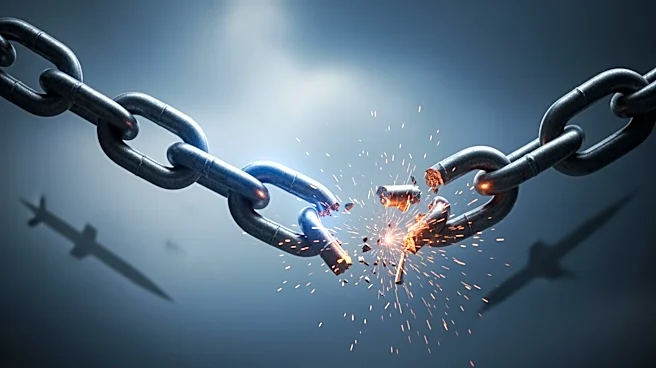
The establishment of the industrial park in Luleå is pivotal for Europe as it seeks to secure a stable supply of critical raw materials. Currently, Europe relies heavily on imports for these materials, which are essential for the production of fertilizers and the electrification and digitalization sectors. By developing domestic processing capabilities, Europe can reduce its vulnerability to geopolitical tensions and supply chain disruptions. This initiative not only promises to create jobs and stimulate economic growth in Northern Sweden but also aligns with the EU's Critical Raw Materials Act, which aims to bolster the continent's strategic autonomy in raw material supply.
What's Next?
Following the environmental permit, LKAB plans to continue with the construction of the industrial park, with operations expected to commence in the near future. The company is also awaiting further permits for its operations in Gällivare, which are crucial for the full-scale production of phosphorus and rare earth elements. The success of this project could set a precedent for similar initiatives across Europe, potentially leading to a more resilient and self-sufficient raw materials sector.