




What's Happening?
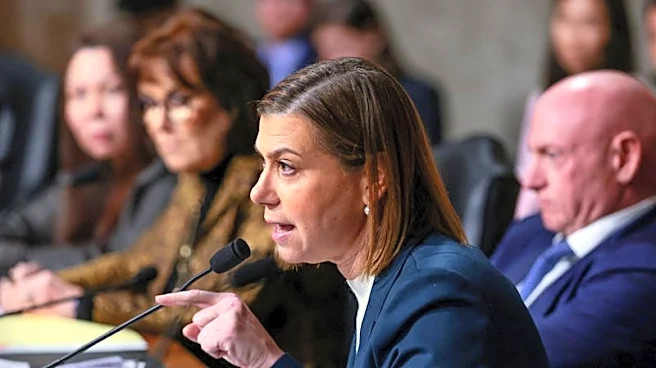
In January 2025, U.S. Representative Zoe Lofgren introduced the Foreign Anti-Digital Piracy Act (FADPA), a legislative initiative aimed at combating online piracy. This bill marks a renewed effort by American lawmakers to address the issue of digital
piracy, which has not been a subject of widespread public discussion in the U.S. in recent years. The last significant attempt to empower law enforcement and copyright holders to combat illegal online content, the Stop Online Piracy Act (SOPA) in 2012, failed to pass. FADPA seeks to establish mechanisms for restricting access to foreign websites that facilitate copyright infringement. This move indicates a re-evaluation of strategies to protect intellectual property in the digital age.
Why It's Important?
The introduction of FADPA is important because it signals a potential shift in U.S. policy regarding online piracy and intellectual property rights. The entertainment and creative industries, which are significant contributors to the U.S. economy, stand to gain from stronger anti-piracy measures, as it could help protect their revenue streams and creative works. Conversely, internet freedom advocates and some technology companies may express concerns about potential overreach, censorship, or the impact on legitimate internet services. The previous failure of SOPA highlights the contentious nature of such legislation, often balancing copyright protection with concerns about internet openness and user access. The success or failure of FADPA could set a new precedent for how digital content is regulated and protected in the U.S., influencing both domestic and international digital economies.
What's Next?
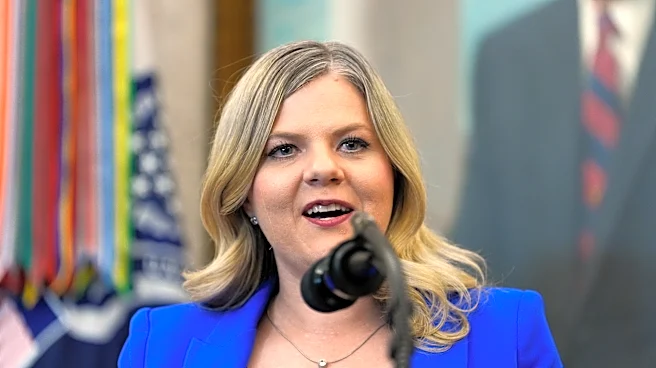
Following its introduction, FADPA will undergo the legislative process, including committee reviews, potential amendments, and votes in the House of Representatives and the Senate. There is also a competing initiative, the Block BEARD Act, introduced by Senator Thom Tillis in summer 2025 and supported by other senators, which suggests a bipartisan effort to address piracy. TorrentFreak reported in July 2026 that Representative Lofgren intended to collaborate with Senator Tillis's group to draft a unified bill acceptable to both chambers and parties. The outcome of these negotiations and the eventual form of any anti-piracy legislation will be closely watched by copyright holders, technology companies, and civil liberties organizations. The debate will likely focus on the scope of the bill, its enforcement mechanisms, and its potential impact on internet freedom and innovation.
Beyond the Headlines
The re-emergence of anti-piracy legislation like FADPA delves into the complex ethical and legal dimensions of intellectual property in the digital realm. It raises fundamental questions about the balance between protecting creators' rights and maintaining an open and accessible internet. The technical challenges of enforcing such laws, especially against foreign entities, are significant, and the potential for unintended consequences, such as blocking legitimate content or stifling innovation, remains a concern. This legislative push could also influence international discussions on digital copyright, as the U.S. often sets global standards in intellectual property protection. The long-term implications could include changes in how online content is consumed, distributed, and monetized, potentially reshaping the digital landscape for users and businesses alike.