





What's Happening?
Several Latin American countries, including Mexico, Peru, Guatemala, and Ecuador, are advocating for exemptions from proposed U.S. tariffs ranging from 10% to 12.5%. These tariffs are part of the U.S. Trade Representative's (USTR) efforts to penalize
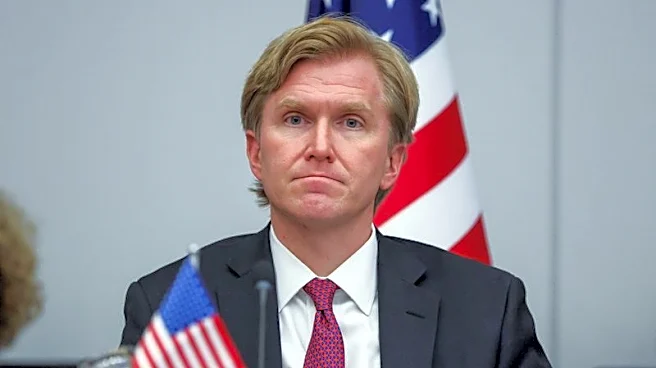
countries allegedly failing to enforce laws against forced labor in their supply chains. During a public hearing, representatives from these countries argued that they have robust laws and processes to combat forced labor. Mexico's undersecretary of the Economy Ministry, Ernesto Acevedo Fernandez, emphasized that the proposed tariffs would unfairly penalize compliant Mexican companies. The USTR's proposal includes exemptions for goods from Mexico that comply with the US-Mexico-Canada Agreement. The hearings are part of the Trump administration's legal process to impose 'Section 301' duties, which are seen as a replacement for a temporary tariff set to expire soon. Steelmakers are also seeking exemptions for imported pig iron, crucial for steel production, arguing that the tariffs would increase costs and disadvantage domestic production.
Why It's Important?
The proposed tariffs could significantly impact trade relations between the U.S. and Latin American countries, potentially straining diplomatic ties. For U.S. industries, particularly steelmakers, the tariffs could lead to increased production costs, affecting competitiveness. The tariffs are part of broader trade policies under the Trump administration aimed at addressing unfair trade practices, but they also risk retaliatory measures from affected countries. The outcome of these hearings could influence future trade negotiations and economic policies, impacting industries reliant on imports from these regions.
What's Next?
The USTR will consider the comments from the hearings before making a final decision on the proposed tariffs and any potential exemptions. The decision could lead to further legal challenges, particularly from states opposing the tariffs. The outcome will be closely watched by industries and trade partners, as it could set precedents for future trade policies. Stakeholders, including affected countries and U.S. industries, may continue lobbying for favorable outcomes.