




What's Happening?
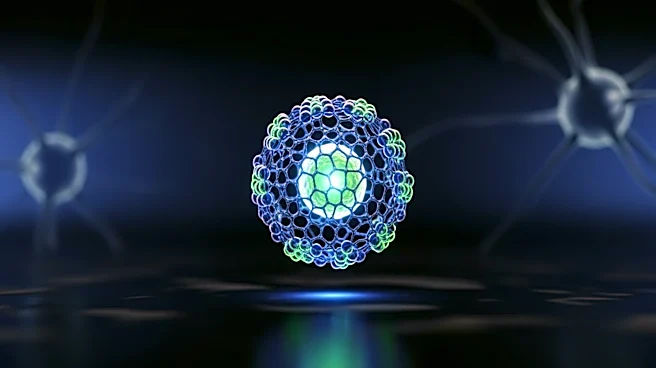
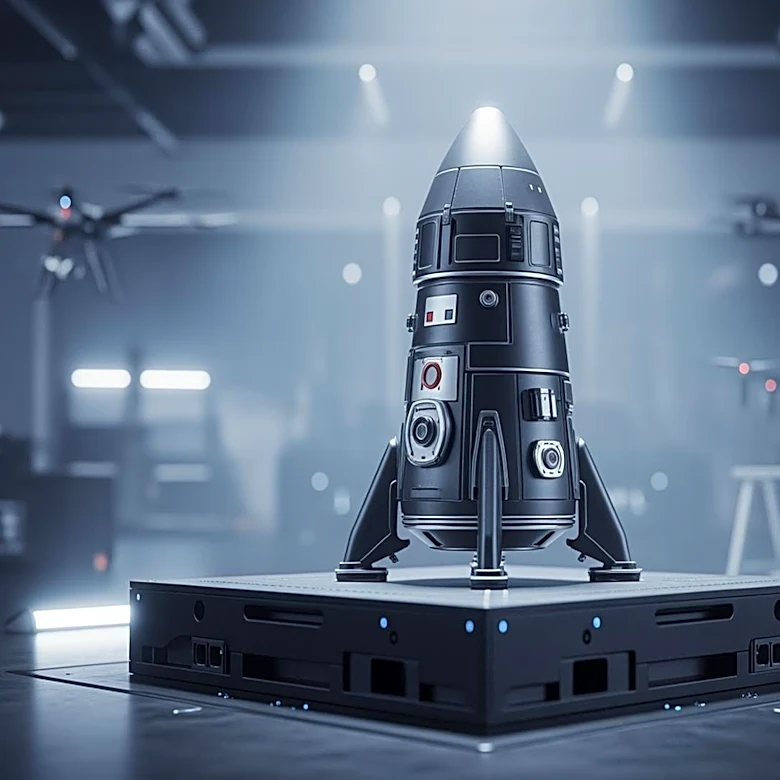
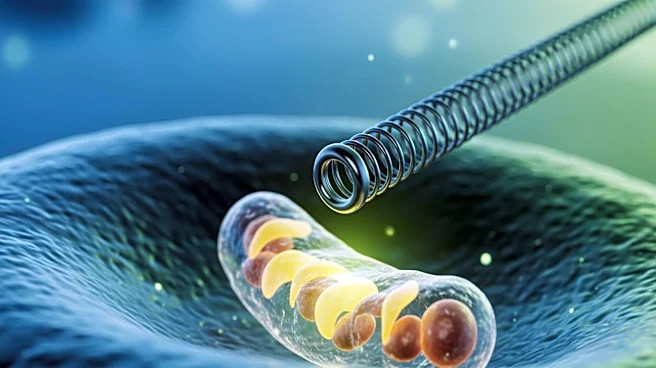
Researchers have introduced sub-micrometer nanorobots that utilize light for propulsion and control, presenting a novel method for cleaning and manipulation in biological environments. These nanorobots, powered by a plasmonic directional antenna, can
achieve speeds of up to 50 micrometers per second and are capable of precise steering when exposed to circular polarization. The design allows these nanorobots to capture, transport, and release bacteria, functioning as light-driven robotic cleaners. This breakthrough in nanorobotics combines unidirectional scattering for thrust with passive orientation-locking from linear polarization, enabling high-speed propulsion and precise 2D steering without complex beam steering or tight focusing.
Why It's Important?
The development of these nanorobots represents a significant advancement in the field of nanotechnology, particularly in biological applications. Their ability to capture and transport bacteria opens new possibilities for biological cleaning, targeted drug delivery, and localized sensing at the nanoscale. This technology could revolutionize how microscopic tasks are performed, offering a more efficient and less damaging method compared to traditional techniques that rely on complex beam steering. The potential applications in healthcare and environmental monitoring could lead to improved methods for managing bacterial contamination and delivering medications precisely where needed.