







What's Happening?
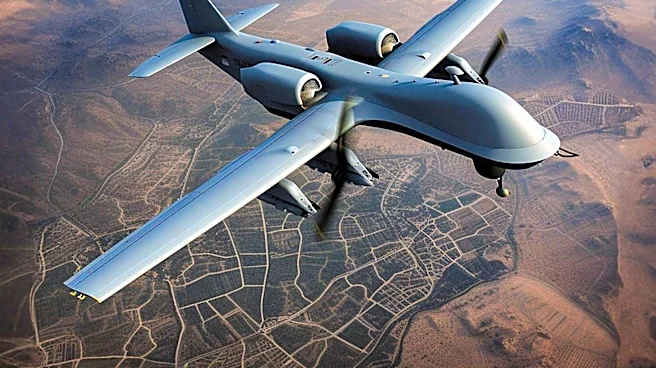
Poland is significantly enhancing its counter-unmanned aerial system (C-UAS) capabilities, taking a leading role in NATO's broader efforts to strengthen defenses on its eastern flank. This initiative includes the establishment of a new manufacturing and sustainment
facility in Poland's Pomeranian region by Kongsberg Gruppen ASA. This facility will primarily focus on producing equipment for Poland's SAN counter-drone program, which is designed to combat low-altitude threats such as Shahed-style drones, loitering munitions, and drone swarms. The SAN program, backed by a NOK 16 billion contract from the Polish Armaments Agency, will incorporate 30-mm artillery guns with programmable ammunition, APKWS guided missiles, and interceptor drones. Future iterations are expected to include non-kinetic effectors like electronic warfare systems and microwave-based weapons. This development is part of a larger NATO strategy, which includes a €1 billion venture capital investment from the NATO Innovation Fund, with a new branch in Warsaw aimed at accelerating technology adoption in the region.
Why It's Important?
Poland's intensified focus on C-UAS capabilities is crucial for regional security and NATO's collective defense strategy. Given its strategic importance and participation in the Combined Joint All-Domain Command and Control (CJADC2) initiative, Poland's leadership in counter-drone efforts directly contributes to deterring potential aggressors and protecting critical infrastructure. The investment in advanced C-UAS technologies, including AI-enabled and autonomous systems, signifies a proactive approach to modern warfare challenges. This move also fosters domestic defense manufacturing and reduces reliance on external supply chains, enhancing Poland's self-reliance and economic stability within the defense sector. The integration of diverse counter-drone technologies, from kinetic to non-kinetic solutions, provides a multi-layered defense against evolving aerial threats, safeguarding both military assets and civilian populations.
What's Next?
The establishment of Kongsberg's new facility and the ongoing development of the SAN program indicate a sustained commitment to bolstering Poland's air defense. Future steps will likely involve the continued integration of advanced technologies, including electronic warfare and microwave-based weapons, into the SAN system. NATO's C-UAS marketplace, launched to streamline procurement of tested and compatible systems, will further facilitate Poland's access to cutting-edge counter-drone solutions. Additionally, increased training for drone operators, a key component of NATO's strategy, will ensure that personnel are proficient in utilizing these new systems. This ongoing development is expected to enhance interoperability with other NATO members and contribute to a more robust and coordinated defense posture across the alliance's eastern flank.
Beyond the Headlines
The push for advanced counter-drone systems in Poland and across NATO reflects a broader shift in military strategy, acknowledging the growing threat posed by unmanned aerial vehicles in modern conflicts. This development highlights the ethical and legal considerations surrounding autonomous weapon systems and the need for clear rules of engagement. The emphasis on local manufacturing and supply chains also points to a strategic effort to build resilience and reduce vulnerabilities in defense procurement, fostering economic growth within the defense industry. Furthermore, the collaboration with Ukraine, which offers invaluable first-hand experience with hostile drones, underscores the importance of shared intelligence and technological exchange in developing effective countermeasures against evolving threats.