







What's Happening?
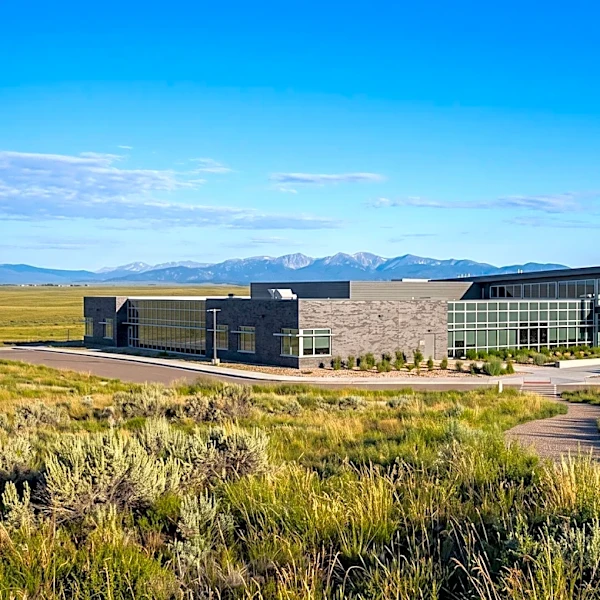
Aims Community College has officially opened its new 30,000-square-foot Student Health and Wellness Center (SHWC) on its Greeley Campus. The facility, designed by SmithGroup and constructed by Fransen Pittman, aims to provide comprehensive health services
to students and their immediate families. The SHWC integrates medical, dental, and mental health services under one roof, responding to student requests for accessible on-campus care. The center features a two-story glass atrium, flexible meeting rooms, and event spaces. The first floor includes a lobby, medical exam rooms, dental treatment rooms, and X-ray stations. The second floor houses Aims Counseling Services, offering offices, meeting spaces, private soundproof counseling rooms, and a reconfigurable multipurpose room for workshops. Natural elements like a moss wall, decorative boulders, and an outdoor meditation garden are incorporated to foster a calming and restorative environment, emphasizing a holistic approach to student well-being. The SHWC opened for student use in August, with a ceremonial ribbon-cutting held on September 25.
Why It's Important?
The opening of the Aims Student Health and Wellness Center signifies a growing recognition within educational institutions of the critical link between student well-being and academic success. By consolidating medical, dental, and mental health services, Aims Community College is addressing a significant barrier to student retention and performance: access to healthcare. This integrated approach can lead to earlier intervention for health issues, reduced stress, and improved overall student health, which directly correlates with better academic outcomes and higher graduation rates. The inclusion of mental health counseling, group therapy, and recovery meetings highlights a proactive stance on mental wellness, a crucial aspect of student life often overlooked. This model could influence other community colleges and universities to adopt similar comprehensive wellness centers, fostering healthier student populations and more supportive learning environments across the U.S. The focus on affordability, with services accepting various insurance plans and offering sliding-fee discounts, ensures that financial constraints do not prevent students from accessing necessary care.
What's Next?
Following its official opening and ribbon-cutting, the Aims Student Health and Wellness Center will continue to provide and expand its range of services to students and their families. The college will likely monitor the utilization rates of the various medical, dental, and mental health offerings to assess their effectiveness and identify any unmet needs. There may be future initiatives to further integrate these services with academic support programs, creating a more seamless and holistic support system for students. The success of this integrated model could serve as a blueprint for other educational institutions, potentially leading to increased investment in similar facilities nationwide. Aims Community College may also explore partnerships with local community health organizations to broaden the scope of specialized care available to its students. Ongoing feedback from students will be crucial in refining the center's operations and ensuring it continues to meet the evolving health and wellness needs of the college community.
Beyond the Headlines
The establishment of the Aims Student Health and Wellness Center reflects a broader societal shift towards prioritizing holistic well-being, particularly within educational settings. This initiative moves beyond traditional academic support to acknowledge that a student's physical and mental health are foundational to their ability to learn and thrive. The intentional design, incorporating natural elements and dedicated spaces for relaxation and counseling, underscores a recognition of the therapeutic power of environment. This approach challenges the conventional view of healthcare as purely clinical, instead framing it within a context of nurturing and restoration. The center's commitment to affordability and accessibility also highlights a growing awareness of health equity, ensuring that all students, regardless of socioeconomic status, have the resources to maintain their well-being. This could foster a more inclusive and supportive campus culture, potentially reducing the stigma associated with seeking help for mental and physical health challenges, and promoting a more resilient student body in the long term.