




What's Happening?
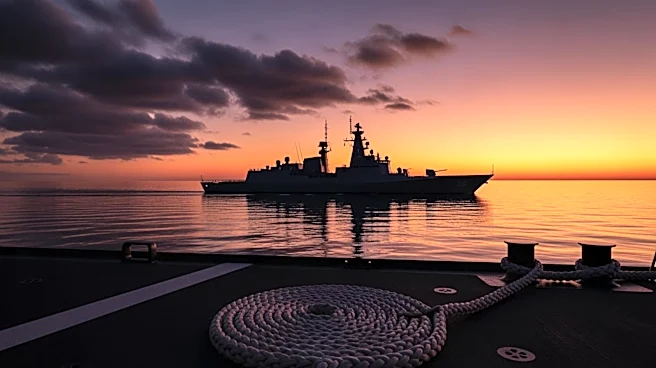
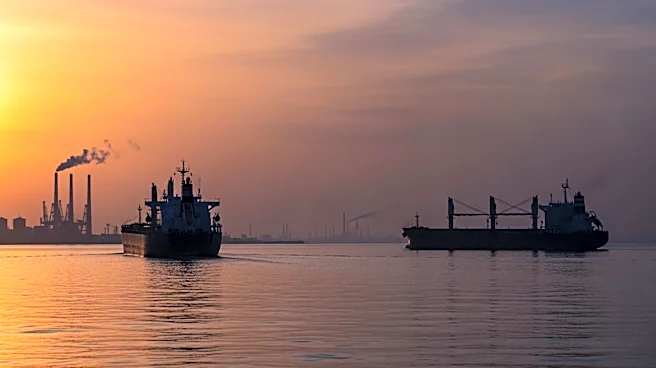
The recent crisis in the Strait of Hormuz has led to a complex scenario where fossil fuel demand was suppressed, resulting in lower emissions. This situation, analyzed in a scenario study, shows how disruptions in oil and LNG flows can impact various
sectors differently. Aviation saw a significant reduction in activity, while road transport and shipping experienced shifts in demand. The study highlights the temporary nature of these emission reductions, which are not due to improved systems but rather stress on existing fossil fuel-dependent systems.
Why It's Important?
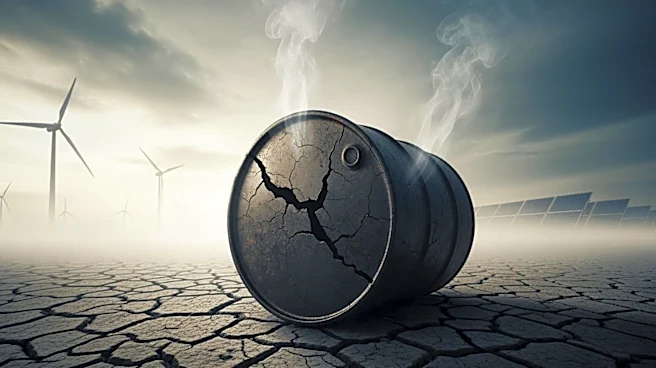
The analysis of the Hormuz crisis underscores the fragility of systems reliant on fossil fuels. While the temporary reduction in emissions might seem beneficial, it is a result of disruption rather than sustainable change. The study points out that countries with higher renewable energy capacities, like Spain and Pakistan, are less vulnerable to such shocks. This highlights the importance of transitioning to renewable energy sources to build resilience against future disruptions and reduce dependency on fossil fuels.
Beyond the Headlines
The broader lesson from the Hormuz crisis is the need for systemic change. The temporary emission reductions highlight the vulnerability of fossil fuel-dependent systems, which break under stress. In contrast, electrified systems, supported by renewable energy, offer more resilience. The study suggests that the path to a stable climate lies in reducing reliance on imported fossil fuels and increasing domestic renewable energy production.