
What's Happening?
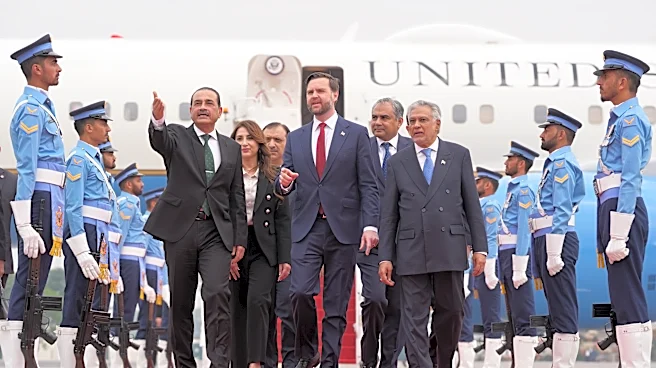
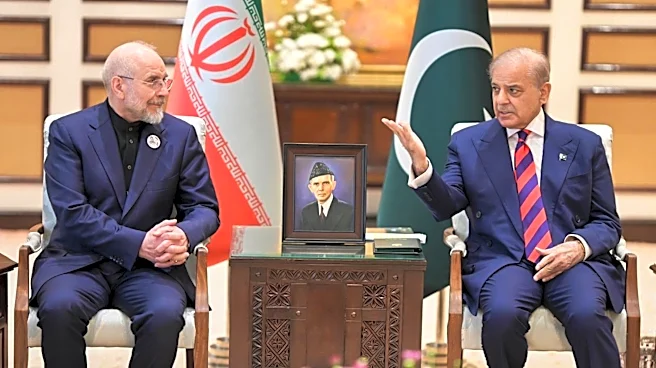
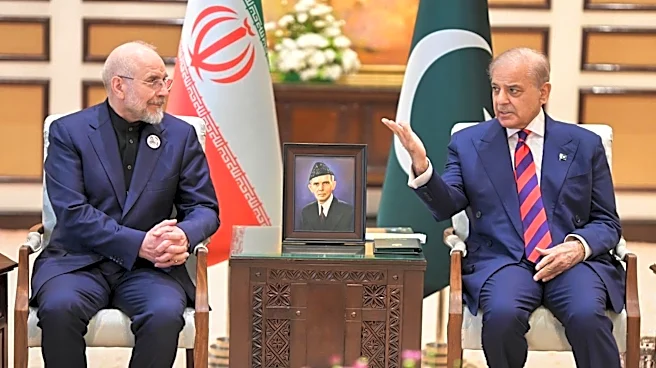
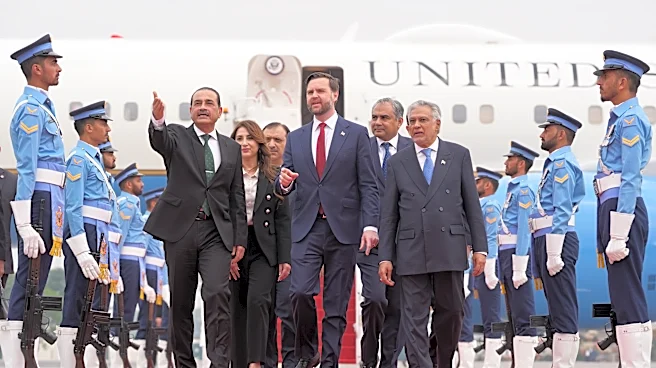
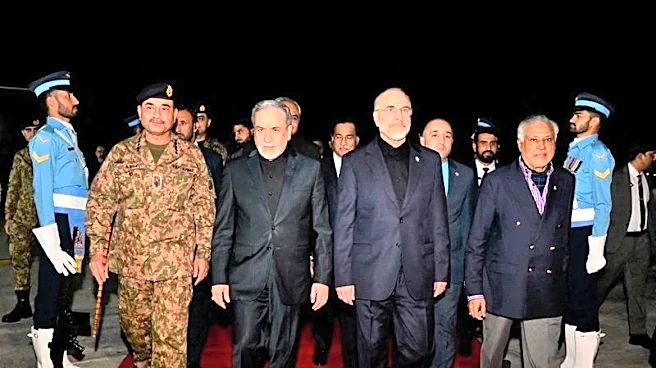
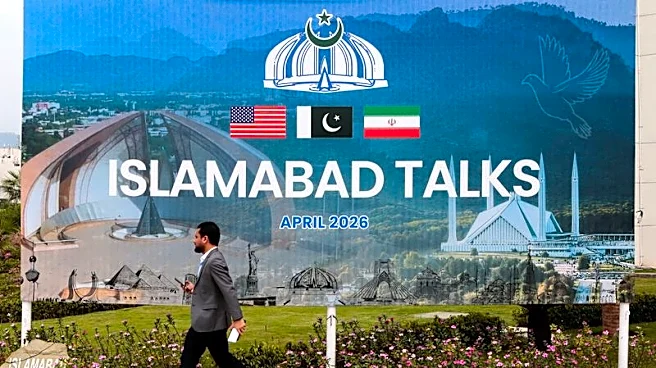
The United States and Iran have commenced direct negotiations in Islamabad, Pakistan, following progress in earlier indirect discussions. The talks are part of efforts to solidify a fragile ceasefire in the
ongoing conflict that has resulted in significant casualties and disrupted global markets. The US delegation, led by Vice President JD Vance, and the Iranian delegation, led by Parliament Speaker Mohammad Bagher Qalibaf, are focusing on advancing the ceasefire and addressing deep disagreements, including Israel's continued attacks on Hezbollah in Lebanon. The negotiations are a critical step in resolving the conflict, which has seen thousands killed and has affected oil and natural gas trade due to the closure of the Strait of Hormuz.
Why It's Important?
The direct negotiations between the US and Iran are crucial for stabilizing the region and preventing further escalation of the conflict. The talks have significant implications for global energy markets, as the Strait of Hormuz is a vital passage for oil and gas exports. Successful negotiations could lead to the reopening of the strait, alleviating pressure on global energy prices. Additionally, the talks are a test of diplomatic relations between the US and Iran, potentially influencing future interactions and regional stability. The outcome of these negotiations could also impact US-Israeli relations and the broader geopolitical landscape in the Middle East.
What's Next?
The negotiations are expected to continue, with both sides backed by technical experts to address complex issues such as Iran's nuclear program and its control over the Strait of Hormuz. The US aims to ensure the removal of sea mines and secure safe passage for oil and gas tankers. The talks may also address Iran's support for armed proxies in the region, including Hezbollah. The success of these negotiations could lead to a more durable ceasefire and potentially pave the way for broader peace agreements.
Beyond the Headlines
The US-Iran negotiations highlight the challenges of balancing military strategy with diplomatic efforts. The conflict has exposed vulnerabilities in global energy security and underscored the importance of international cooperation in resolving geopolitical tensions. The situation also raises ethical questions about the impact of military actions on civilian populations and the role of international law in conflict resolution. The negotiations are a reminder of the complexities involved in achieving peace in regions with longstanding historical and political conflicts.