







What's Happening?
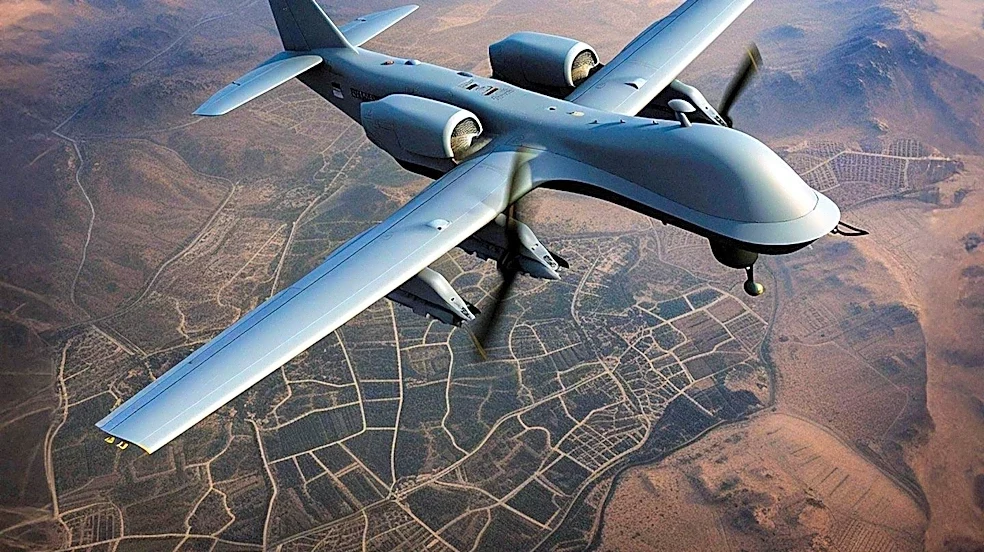
The defense unmanned aerial vehicle (UAV) market is experiencing significant growth in autonomous navigation capabilities, driven by the increasing unreliability of satellite-dependent navigation in contested environments. Electronic warfare tactics,
including GPS jamming and spoofing, are making traditional navigation methods less dependable. In response, there is a growing demand for resilient positioning technologies such as vision-based sensing, inertial navigation, and sensor fusion, which allow UAVs to maintain positioning when GPS signals are compromised or unavailable. This shift is creating a substantial market opportunity, estimated at $100 million to $500 million over the next five years for GPS-denied navigation solutions. Companies are focusing on developing modular open systems architectures (MOSA) to facilitate easier component substitution and integration of advanced navigation systems, enhancing mission continuity and operational effectiveness for defense UAVs.
Why It's Important?
The increasing prevalence of GPS jamming and spoofing in modern warfare necessitates a fundamental shift in how defense UAVs navigate. Reliance on satellite signals alone is no longer viable in contested zones, making resilient navigation a critical differentiator for military operations. This trend drives innovation in sensor fusion, AI-enabled autonomy, and advanced inertial systems, creating new market opportunities for technology providers. For the U.S. defense industry, this means a focus on developing and integrating cutting-edge navigation solutions to maintain a technological edge. The emphasis on modular architectures also allows for faster adoption of new technologies and greater flexibility in UAV design and deployment, ultimately enhancing the survivability and effectiveness of unmanned systems in complex operational environments. This also impacts procurement strategies, favoring suppliers who can offer robust, adaptable, and secure navigation capabilities.
What's Next?
The demand for GPS-denied navigation solutions is expected to continue its upward trajectory, with a focus on integrating advanced sensor technologies and AI-driven autonomy. The market will likely see increased competition among suppliers to provide compact, cost-efficient, and highly resilient navigation systems. Defense procurement will prioritize modular open systems architectures (MOSA) to ensure interoperability and ease of upgrades. Furthermore, the development of swarm autonomy, where multiple UAVs operate as a coordinated unit, will expand the software opportunity for navigation, requiring shared positioning, collaborative flight control, and real-time mission management. This will lead to further investment in software specialists and integration experts who can deliver comprehensive, secure, and interoperable autonomy solutions for multi-UAV operations.
Beyond the Headlines
The shift towards GPS-denied navigation in defense UAVs signifies a broader evolution in military strategy and technological warfare. It underscores the growing importance of electronic warfare capabilities and the need for nations to develop robust defenses against such threats. This technological arms race extends beyond hardware to sophisticated software and AI, which will play a crucial role in enabling autonomous decision-making and coordinated operations in complex environments. The ethical implications of increasingly autonomous systems operating without direct human oversight, especially in contested zones, will also become more prominent. Moreover, the advancements in resilient navigation for defense could eventually trickle down to civilian applications, enhancing the safety and reliability of autonomous vehicles and drones in various commercial sectors, particularly in areas where GPS signals might be unreliable or unavailable.