
What's Happening?
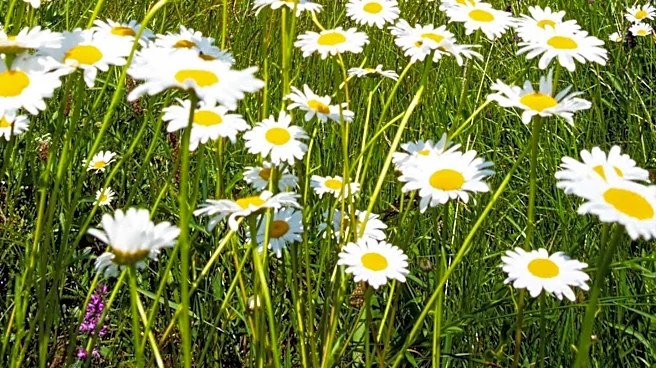
Phillip Island, part of Norfolk Island National Park, has experienced a remarkable environmental recovery following the eradication of rabbits in 1986. The island, once stripped bare by 150 years of grazing, is witnessing the return of native vegetation
and seabird habitats. The eradication program, which involved the use of myxoma virus, poison baiting, and trapping, successfully removed the rabbit population, allowing native plants to regenerate. The island now serves as a safe breeding ground for seabirds and a refuge for rare plant species, highlighting the resilience of ecosystems when freed from invasive species.
Why It's Important?
The recovery of Phillip Island demonstrates the effectiveness of targeted conservation efforts in restoring degraded ecosystems. The successful eradication of rabbits has allowed native species to thrive, providing a model for similar initiatives worldwide. The island's transformation underscores the importance of addressing invasive species as a critical component of biodiversity conservation. Additionally, the project highlights the role of protected areas in safeguarding vulnerable habitats and species, contributing to global efforts to preserve biodiversity and combat the impacts of climate change.
Beyond the Headlines
Phillip Island's recovery also emphasizes the need for ongoing conservation management to maintain ecological balance. While natural regeneration has been significant, active measures such as weed control and habitat restoration remain essential to support the island's biodiversity. The project serves as a reminder of the long-term commitment required to achieve and sustain environmental recovery. Furthermore, the island's geological and historical significance adds an educational dimension, offering insights into the interplay between natural processes and human impact on ecosystems.