



What's Happening?
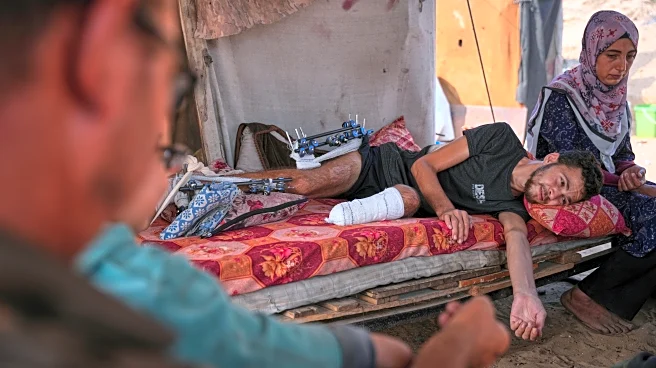
In the aftermath of the recent conflict in Gaza, Palestinians who have suffered amputations are facing significant challenges in receiving necessary medical aid. Despite a ceasefire, there is a critical shortage of prosthetic limbs, and medical evacuations
out of Gaza are experiencing long delays. This situation has left many individuals without the essential medical support they need to regain mobility and improve their quality of life. The humanitarian crisis in Gaza is exacerbated by the destruction of infrastructure, which has further complicated the delivery of medical supplies and services.
Why It's Important?
The ongoing humanitarian crisis in Gaza highlights the severe impact of conflict on civilian populations, particularly those with medical needs. The shortage of prosthetic limbs and delays in medical evacuations underscore the challenges faced by healthcare systems in conflict zones. This situation not only affects the immediate health and well-being of individuals but also has long-term implications for their ability to participate in society and the economy. The international community's response to this crisis is crucial in providing the necessary support and resources to address these urgent needs.
What's Next?
Efforts to address the medical needs of amputees in Gaza will require coordinated international support and intervention. Humanitarian organizations and governments may need to increase their aid and logistical support to ensure that medical supplies, including prosthetic limbs, reach those in need. Additionally, diplomatic efforts to maintain and strengthen the ceasefire could facilitate the safe and timely evacuation of patients requiring specialized medical care outside of Gaza. The situation calls for sustained attention and action to prevent further deterioration of the humanitarian conditions in the region.