






What's Happening?
The Massachusetts Senate primary race between incumbent Senator Ed Markey and challenger U.S. Representative Seth Moulton is intensifying, with both campaigns employing distinct strategies that underscore a generational divide within the Democratic Party.
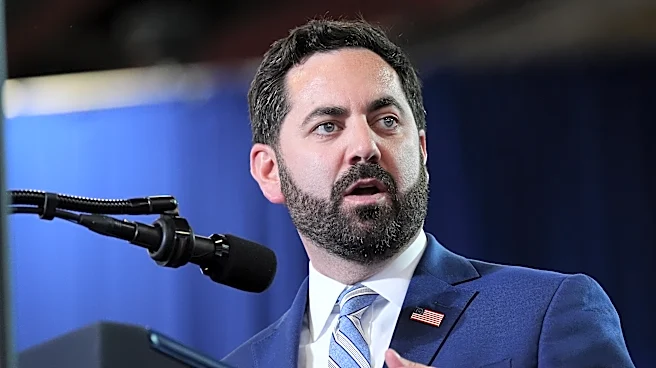
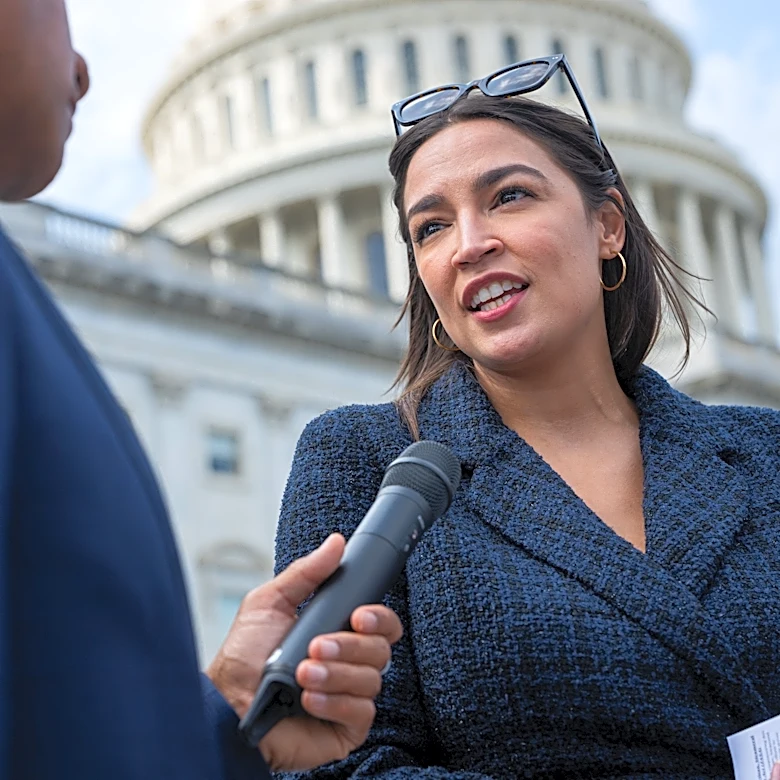
Senator Markey, 80, is leveraging his extensive 50-year political record and strong progressive credentials, campaigning alongside prominent figures like Senator Bernie Sanders, Senator Elizabeth Warren, and U.S. Representative Ayanna Pressley. His strategy emphasizes his experience and legislative achievements, particularly in areas like climate change and healthcare. In contrast, Representative Moulton, 47, is focusing on a message of 'generational change,' arguing that it's time for new leadership. He is engaging directly with voters in smaller settings, presenting himself as a candidate who can bring a fresh perspective to contemporary issues. This 'split-screen' approach highlights Markey's reliance on institutional support and progressive bona fides versus Moulton's appeal for a shift in leadership.
Why It's Important?
This primary election is a critical barometer for the Democratic Party, testing the appeal of long-standing experience against the demand for new leadership. The race reflects a broader internal debate within the party about its future direction and how it should address the evolving needs of its electorate. Senator Markey's campaign, backed by influential progressive voices, aims to demonstrate that seniority and a proven track record remain valuable assets in Washington. Conversely, Representative Moulton's focus on generational change taps into a sentiment among some voters who believe that younger leaders are better equipped to tackle modern challenges. The outcome will provide insights into whether Democratic primary voters prioritize a candidate's established progressive record and institutional influence or a fresh perspective and a more contemporary understanding of emerging issues. This dynamic could influence future primary contests across the country, as parties grapple with balancing tradition and innovation.
What's Next?
As the primary election enters its final stretch, both campaigns will intensify their efforts to mobilize voters. Senator Markey will continue to highlight his legislative accomplishments and the support of national progressive leaders to solidify his base. Representative Moulton will likely amplify his message of generational change, aiming to persuade voters that his relative youth and fresh approach are necessary for effective representation. The election results will be closely scrutinized to understand the prevailing sentiment within the Massachusetts Democratic Party. The turnout in key areas will be particularly indicative of which message resonates more strongly with voters. The outcome will not only determine who represents Massachusetts in the Senate but also send a significant signal about the Democratic Party's internal priorities regarding leadership, experience, and the call for change in the current political climate.
Beyond the Headlines
The Massachusetts Senate primary transcends a simple electoral contest, touching upon fundamental questions about leadership, representation, and the future of the Democratic Party. The tension between experience and innovation, and the perceived disconnect between older politicians and the challenges faced by younger generations, are themes that resonate far beyond this specific race. The debate over a candidate's understanding of complex technologies like AI highlights the increasing importance of technological literacy in political leadership. Furthermore, the split among young voters demonstrates that 'youth' does not equate to a monolithic political viewpoint, with diverse priorities and values shaping their electoral choices. This election offers a valuable case study in how a major political party grapples with internal ideological and generational divides, and how it seeks to adapt to a changing political landscape while maintaining its core principles and appealing to a broad coalition of voters.