








What's Happening?
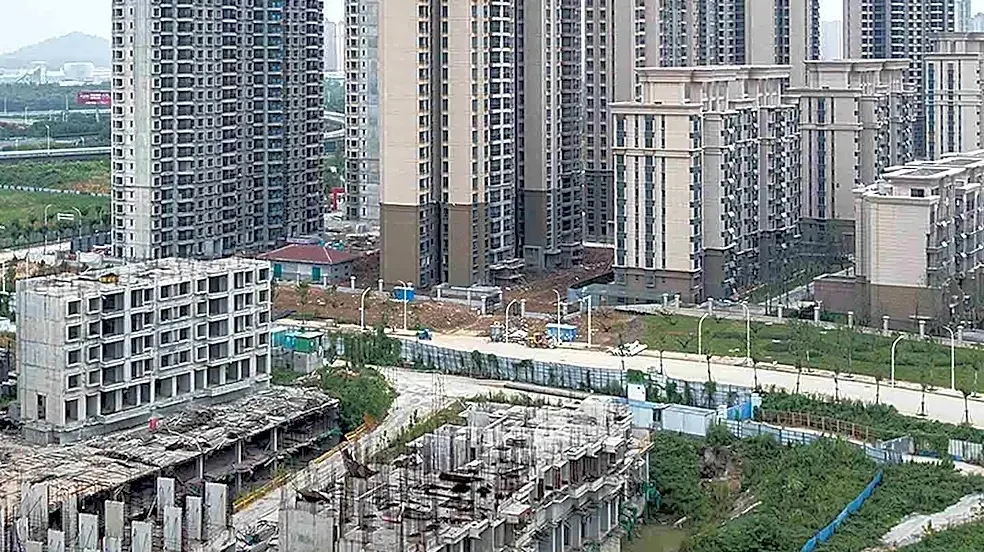
A proposal from Virginia Union University (VUU) to construct housing on the former Richmond Community Hospital site has been unanimously recommended for approval by Richmond's Planning Commission and will now proceed to the City Council. The plan involves
integrating the historic hospital building, which opened in the early 1930s to serve African Americans facing medical discrimination, into a four-story apartment complex featuring up to 100 multifamily housing units. The ordinance now includes several amendments, notably a requirement for VUU to conduct a structural study of the hospital building and a clause preventing its demolition. These amendments were introduced after the ordinance was deferred in August, reflecting concerns from community members and commissioners about the building's preservation and the project's impact. Attorney T. Preston Lloyd Jr., representing VUU, indicated the university's willingness to undertake the structural study, acknowledging it as a responsible action for a property owner. The project has generated significant discussion, with supporters highlighting its benefits for VUU students and the institution's future growth, while opponents raise concerns about community impact, parking, pedestrian safety, and the adequacy of outreach efforts.
Why It's Important?
This development is significant for several reasons, impacting urban development, historic preservation, and community equity in Richmond, Virginia. The project represents a substantial investment by Virginia Union University, a historically Black college, in expanding its infrastructure and potentially generating sustainable revenue. Its approval could set a precedent for how historic buildings, particularly those with deep cultural significance like the former Community Hospital, are redeveloped within urban settings. The debate surrounding the project underscores ongoing tensions between development goals and community concerns, particularly regarding the impact on existing residents and neighborhood character. The requirement for a structural study and the anti-demolition clause highlight a growing emphasis on preserving historical integrity even amidst new construction. Furthermore, the criticism from some residents, suggesting that a project with similar issues would not advance as quickly in wealthier, whiter parts of the city, brings to light critical questions about equitable development practices and community engagement in Richmond.
What's Next?
The ordinance, with its new amendments, will now be considered by the Richmond City Council. The timing for the Council's review and vote remains unclear. Before a certificate of occupancy can be issued for the development, some of the stipulated amendments, including the structural study and the binding demolition prevention clause, must be enacted or recorded. Key stakeholders, including VUU officials, local residents, and historic preservation advocates, will likely continue to engage with City Council members as the project moves forward. The outcome of the structural engineering study will be crucial, as it will provide vital information for the City Council's decision-making process regarding the building's future and its integration into the housing development. The debate is expected to continue, focusing on balancing VUU's development aspirations with community concerns and the preservation of a historically significant structure.
Beyond the Headlines
Beyond the immediate development plans, this situation illuminates broader themes of urban revitalization, the role of historically Black colleges and universities (HBCUs) in community development, and the challenges of equitable growth in American cities. The Community Hospital, as a facility that served African Americans during an era of medical discrimination, holds profound historical and cultural significance. Its redevelopment raises ethical questions about how to honor such legacies while pursuing modern urban needs. The concerns voiced by residents about inadequate community engagement and potential disparities in development processes highlight systemic issues related to equity and representation in urban planning. The project could serve as a case study for how cities navigate the complex interplay between historical preservation, economic development, and social justice, particularly in communities with rich but often overlooked histories. The scrutiny placed on VUU, as noted by Council representative Ellen Robertson, also prompts reflection on whether HBCUs face unique challenges or higher levels of scrutiny in development projects compared to other institutions.