



What's Happening?
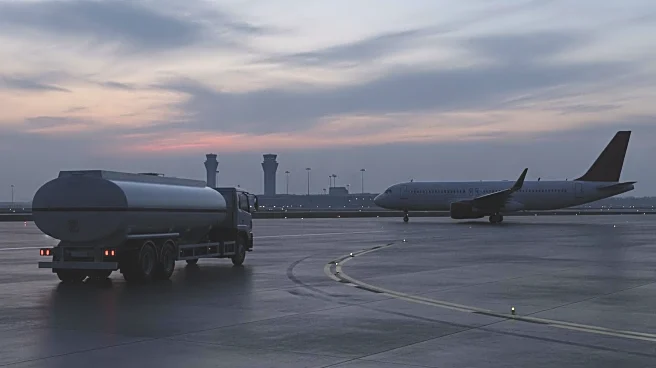
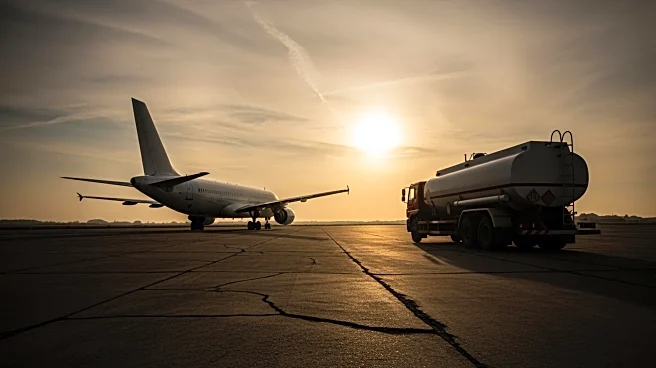
Cuba is facing a severe fuel crisis exacerbated by U.S. sanctions, which have cut off the island's access to its primary petroleum sources in Venezuela and Mexico. The Cuban government has issued warnings to airlines that jet fuel will not be available
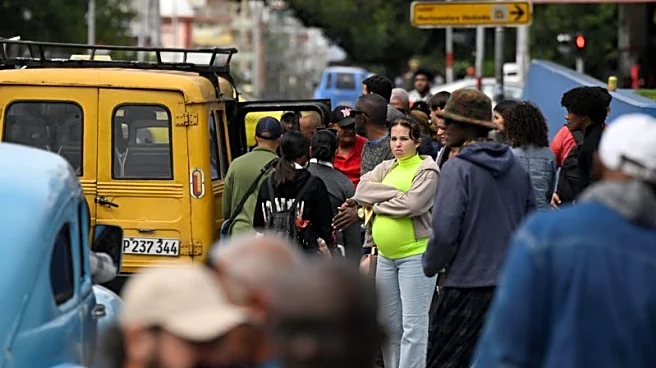
at nine airports, including José Martí International Airport in Havana, from Tuesday until March 11. This development follows an executive order signed by President Trump in late January, imposing tariffs on goods from countries supplying oil to Cuba. The fuel shortage is significantly affecting long-haul flights, with Air Canada suspending flights to Cuba and other airlines experiencing delays and layovers. The crisis has led to power outages, reduced bank hours, and the suspension of cultural events, severely impacting Cuba's tourism-dependent economy.
Why It's Important?
The deepening fuel crisis in Cuba highlights the broader implications of U.S. foreign policy and sanctions on Latin American countries. The restrictions have not only strained Cuba's economy but also disrupted international travel and tourism, a critical sector for the island nation. The situation underscores the geopolitical tensions between the U.S. and Cuba, with potential ripple effects on international relations and economic stability in the region. The crisis also reflects the challenges faced by countries heavily reliant on external energy sources, emphasizing the need for diversified energy strategies.
What's Next?
Cuban officials have not specified how long the fuel shortage will last, leaving airlines and travelers uncertain about future operations. The Cuban government may need to explore alternative fuel sources or negotiate with other countries to alleviate the crisis. Meanwhile, the U.S. administration's stance on Cuba could influence future diplomatic and economic interactions in the region. The ongoing situation may prompt international discussions on the humanitarian impact of sanctions and the need for policy adjustments to mitigate adverse effects on civilian populations.
Beyond the Headlines
The current crisis in Cuba could lead to long-term shifts in the country's economic and energy policies. The reliance on tourism as a primary economic driver may prompt Cuba to diversify its economy and seek sustainable energy solutions. Additionally, the situation raises ethical questions about the humanitarian impact of sanctions and the responsibility of international actors in addressing such crises. The cultural and social fabric of Cuba may also be affected, as prolonged shortages and economic hardships could lead to increased emigration and social unrest.