


What's Happening?
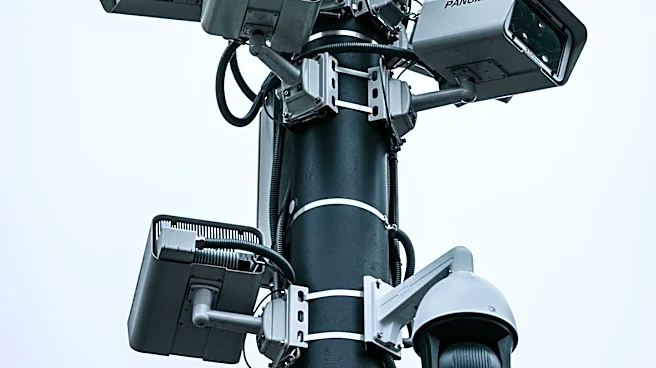
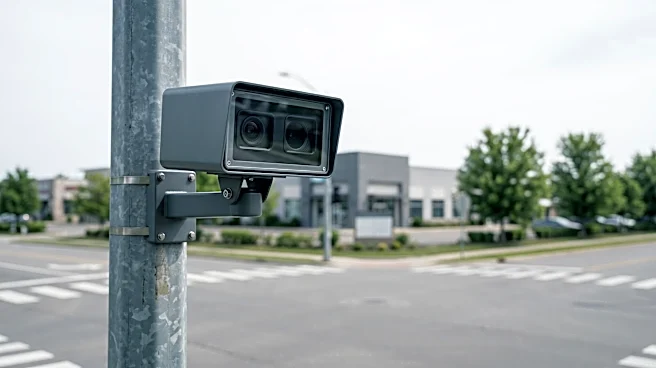
A Temple police officer has resigned following an internal audit that revealed misuse of the department's Flock license plate reader camera system. This incident has intensified concerns among Temple residents regarding the surveillance technology, which
they have questioned for several months. Under the leadership of new Chief Coy Brown, the Temple Police Department now conducts internal audits of the Flock system twice a month. Chief Brown has issued clear directives to all officers, emphasizing that ALPR systems are to be used exclusively for authorized law enforcement purposes, strictly adhering to departmental policy. Any unauthorized or improper use will result in disciplinary action, including potential criminal charges. The Temple Police Department has also requested that the Texas Rangers conduct an independent investigation into the matter, in addition to their ongoing internal inquiry.
Why It's Important?
This event is significant as it highlights the ongoing tension between public safety and privacy rights in the context of advanced surveillance technology. The misuse of the Flock camera system by a police officer erodes public trust in law enforcement and raises critical questions about data security, accountability, and the potential for abuse of power. For the Temple community, this incident validates their existing concerns about the surveillance technology and its oversight. The involvement of the Texas Rangers in an independent investigation underscores the seriousness of the allegations and aims to ensure an impartial review, which is crucial for restoring public confidence. The outcome of these investigations could influence the future deployment and regulation of ALPR systems in Temple and potentially other municipalities across Texas, impacting civil liberties and law enforcement practices.
What's Next?
The Temple Police Department's internal investigation will continue, focusing on compliance with departmental policy and state law. Concurrently, the Texas Rangers will conduct their independent investigation, which will likely involve a thorough review of the Flock system's usage logs, interviews with relevant personnel, and an assessment of the policy framework. Residents, such as Pauline Wiebelhaus and Lynn Thomas, are advocating for greater transparency and more stringent accountability measures, suggesting that the officer should face consequences similar to those a civilian would. The community will be closely watching the results of both investigations and any subsequent actions taken by the city and law enforcement. This could lead to further public discourse on surveillance technology, potential policy reforms, or even legal challenges regarding the use of Flock cameras.
Beyond the Headlines
The resignation of the Temple police officer and the subsequent investigations delve into the broader ethical and legal implications of pervasive surveillance technologies like ALPR systems. The incident brings to the forefront the challenge of balancing security needs with individual privacy rights, a debate that is increasingly relevant in the digital age. It also raises questions about the adequacy of internal oversight mechanisms and the need for robust external accountability when sensitive technologies are deployed. The community's pushback, as voiced by residents like Carly Byrd, suggests a growing demand for transparency regarding data collection, access, and usage policies. This case could serve as a precedent for how other jurisdictions manage and regulate their surveillance technologies, potentially leading to more comprehensive guidelines and public engagement processes to ensure responsible and ethical use.