








What's Happening?
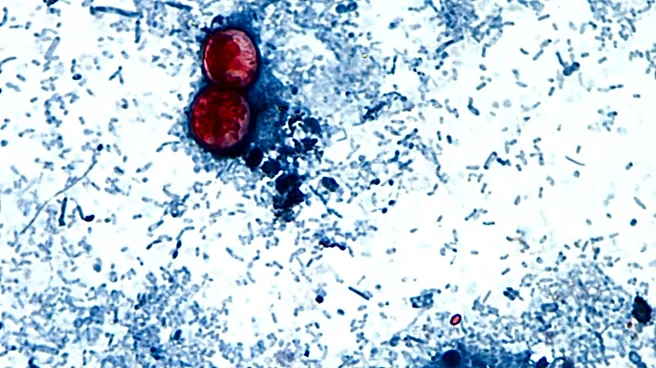
New Mexico health officials have confirmed three cases of cyclosporiasis in the state this year. The New Mexico Department of Health has emphasized the importance of hand washing to prevent the spread of the parasite, which is transmitted through contaminated
fruits, vegetables, and water. The department noted that cases of cyclosporiasis typically increase between May and August. Sarah Shrum Davis from the New Mexico Department of Health reassured the public that there is no need to panic, despite the parasite having sickened people across the country, including 170 cases in Michigan and over two dozen in Texas. The department advises washing hands before preparing food and thoroughly washing fresh produce as preventive measures.
Why It's Important?
The confirmation of cyclosporiasis cases in New Mexico highlights the ongoing public health challenge posed by foodborne illnesses. The spread of the parasite underscores the need for public awareness and preventive practices, such as proper hand hygiene and food handling. This development is significant as it affects public health policy and could lead to increased healthcare costs if not managed effectively. The situation also serves as a reminder of the interconnectedness of food safety and public health, with potential implications for agricultural practices and food supply chains. Residents and local businesses may need to adopt stricter hygiene protocols to prevent further spread.
What's Next?
Health officials in New Mexico are likely to continue monitoring the situation closely and may implement additional public health campaigns to educate the public on preventive measures. There could be increased collaboration with local grocery stores and food suppliers to ensure that produce is handled safely. If the number of cases rises, the state may consider more stringent regulations or advisories regarding food safety. Residents experiencing symptoms are encouraged to seek medical attention promptly, as early diagnosis can prevent severe outcomes. The state may also engage in data collection and analysis to better understand the spread and impact of the parasite.