




What's Happening?
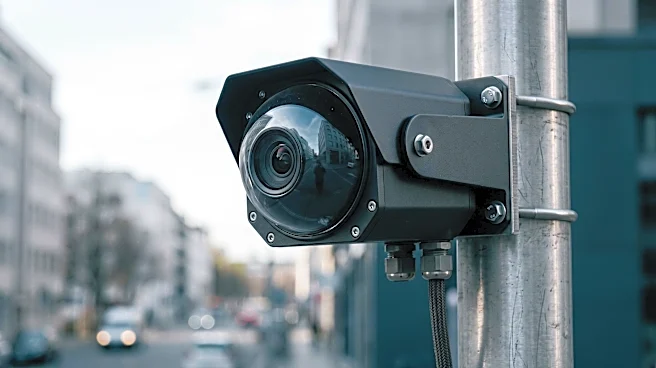
Tulsa Mayor Monroe Nichols and city leaders held a public safety community conversation at Tulsa Tech to address resident concerns regarding Flock license plate reading cameras. During the meeting, several residents raised questions about potential privacy
violations associated with the use of these cameras. Police Chief Jonathan Brooks clarified that officers utilize the cameras primarily for crime investigation purposes and not for issuing traffic citations. He emphasized the department's commitment to transparency and building public trust, stating that the police department must be diligent in communicating how they balance privacy with the use of cameras as a public safety tool. The city has also recently updated its policy to restrict the radius for sharing camera data. Brooks noted that these tools have been effective in reducing both property and violent crime, but stressed the importance of community understanding regarding their function and usage.
Why It's Important?
The discussion surrounding license plate reading cameras in Tulsa highlights a critical tension between public safety and individual privacy rights, a debate occurring in communities across the U.S. While law enforcement agencies advocate for these technologies as effective tools in crime prevention and investigation, civil liberties advocates often raise concerns about potential for mass surveillance, data misuse, and the erosion of privacy. The city's decision to update its policy to restrict data sharing radius indicates an acknowledgment of these privacy concerns and an attempt to mitigate them. The effectiveness of these cameras in reducing crime, as stated by Chief Brooks, presents a compelling argument for their use, but ensuring public trust through transparency and clear guidelines is paramount. This dialogue is crucial for establishing a framework that allows for technological advancements in policing while safeguarding constitutional rights and maintaining community confidence in law enforcement practices.
What's Next?
Following the initial public safety community conversation, three more such meetings are scheduled through November 5, providing additional opportunities for residents to voice concerns and for city leaders to offer clarifications. These ongoing dialogues are expected to further shape police strategies, particularly in areas like downtown Tulsa's entertainment districts, where efforts are being made to address issues such as recent fights in the Blue Dome district. The police department will likely continue to refine its policies and communication strategies regarding the use of license plate readers, aiming to strike a balance between effective crime fighting and respecting privacy. The community's feedback from these meetings will be instrumental in guiding future decisions on public safety technology and police practices in Tulsa.
Beyond the Headlines
The deployment of license plate reading cameras, like those from Flock, represents a significant shift in modern policing, moving towards more data-driven and technologically advanced surveillance methods. Beyond the immediate privacy concerns, there are deeper implications regarding the potential for algorithmic bias, the accuracy of the data collected, and the long-term storage and access to this information. The 'not for traffic citations' assurance is a common distinction made by law enforcement, but the potential for mission creep or future policy changes remains a concern for privacy advocates. This technology also raises questions about the definition of public space and privacy expectations within it. The ongoing community conversations in Tulsa are vital not just for local policy, but as a microcosm of a national debate on how technology should be integrated into law enforcement in a democratic society, balancing security needs with fundamental rights and public accountability.