


What's Happening?
The cost of homeowners insurance in the U.S. is reaching unprecedented levels due to climate volatility, with average premiums projected to rise by 4% in 2026, following a 12% increase in 2025. This marks the fifth consecutive year of significant growth,
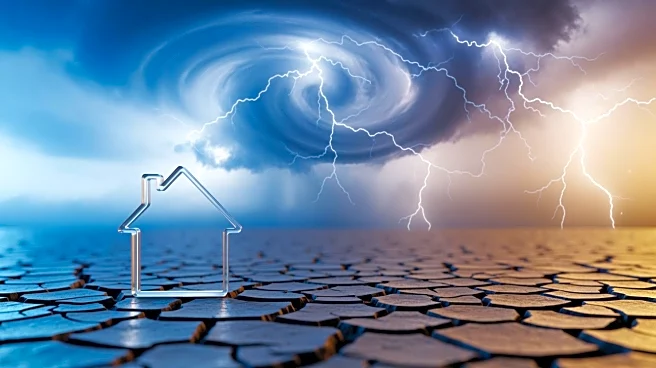
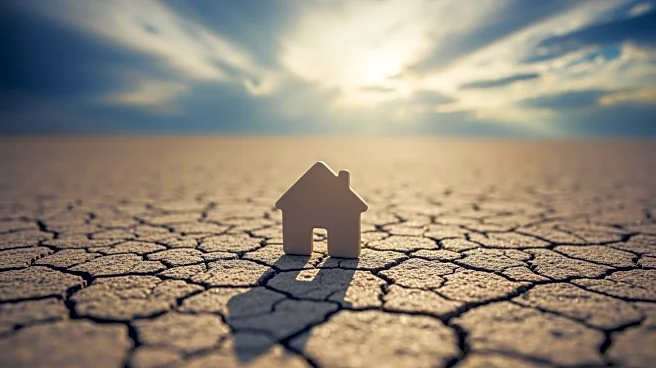
with costs having risen by 46% since 2021. The increase is driven by frequent severe weather events, including hurricanes and wildfires, which have led to a reevaluation of risk models by insurance companies. In high-risk areas like South Florida, premiums are nearing $8,500, making it difficult for potential homeowners to afford both mortgages and insurance. This situation is exacerbating the housing market freeze, as many homeowners are opting to forgo insurance due to unsustainable costs.
Why It's Important?
The rising cost of homeowners insurance is a significant issue for the U.S. housing market, particularly in regions prone to extreme weather. As insurance becomes more expensive, fewer people can afford to buy homes, leading to a potential slowdown in the housing market. This could have broader economic implications, affecting everything from real estate values to local economies dependent on property taxes. Additionally, the growing 'protection gap'—where more homeowners are uninsured—poses a risk to federal disaster relief funds, as uninsured homeowners may rely more heavily on government assistance in the event of a disaster.
What's Next?
As the insurance industry adapts to these changes, homeowners are encouraged to invest in 'home hardening' measures, such as impact-resistant materials, to mitigate costs. There is also a proposal for a federal reinsurance entity to help stabilize the market by absorbing extreme risks. However, until climate patterns stabilize or infrastructure becomes more resilient, insurance costs are likely to continue rising, further impacting the housing market and potentially leading to increased calls for policy intervention.