









What's Happening?
The National Oceanic and Atmospheric Administration (NOAA) has announced the development of El Niño conditions in the tropical Pacific Ocean, which are expected to intensify through autumn and peak during the winter of 2026-27. This phenomenon, which NOAA predicts
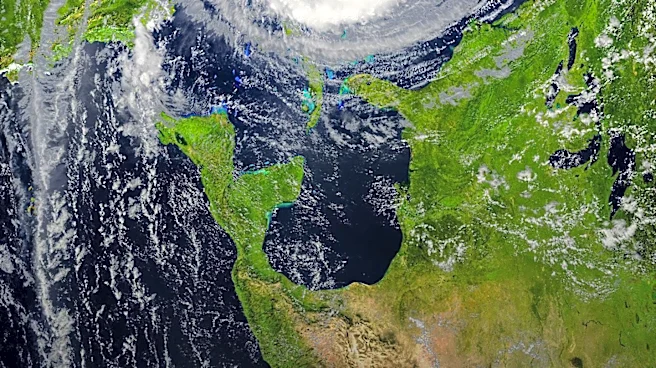
has a 63 percent chance of becoming a very strong event, could lead to significant weather disruptions across the southern United States. Meteorologists are warning that the El Niño could rank among the strongest observed since modern records began, potentially creating a 'storm highway' that increases the risk of extreme rainfall and severe thunderstorms. This pattern is expected to affect states such as Texas, Louisiana, Mississippi, Alabama, Florida, and Georgia, raising the likelihood of severe-weather outbreaks, including damaging winds, hail, and tornadoes.
Why It's Important?
The intensification of El Niño poses significant risks to the southern U.S., particularly for those planning to spend the winter in warmer climates. The expected increase in severe weather could disrupt travel and local economies, particularly in popular 'snowbird' destinations like Florida, Texas, and the Carolinas. These areas, which typically attract large seasonal populations seeking milder winter conditions, may face challenges from prolonged rain events, flooding, and severe storms. The potential for increased severe weather could also impact infrastructure, overwhelm drainage systems, and pose safety risks to residents and visitors. The economic implications are notable, as tourism and local businesses may suffer from the adverse weather conditions.
What's Next?
As El Niño conditions continue to develop, meteorologists and local authorities will likely increase monitoring and preparedness efforts to mitigate potential impacts. Communities in the affected regions may need to enhance their emergency response plans and infrastructure resilience to handle the anticipated severe weather. Travelers and seasonal residents should stay informed about weather forecasts and advisories to ensure safety and minimize disruptions. The situation underscores the importance of climate adaptation strategies in regions vulnerable to extreme weather events.