







What's Happening?
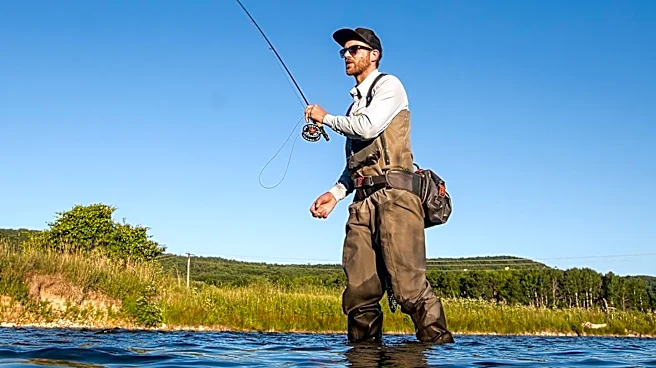
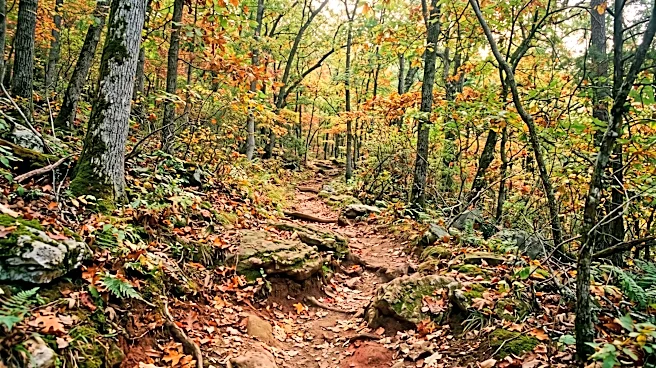
Representative Bruce Westerman (AR-04) recently issued a weekly column emphasizing Arkansas's natural beauty, particularly during the fall season. He highlighted the state's rolling hills, rivers, and forests, encouraging Arkansans to explore outdoor
attractions like the Ozark Mountains, Scenic 7 Byway, and the Arkansas Grand Canyon. As an avid outdoorsman, Westerman shared his personal experiences, including spotting wild elk in Boxley Valley and hiking to Hawksbill Crag. He also underscored his pride in introducing the EXPLORE Act, now law, which aims to expand access to and improve outdoor recreation infrastructure. This legislation supports rural communities that serve as gateways to campsites, trailheads, and bike trails, helping them address issues like housing shortages and outdated infrastructure caused by high tourist volumes. The act also focuses on restoring campgrounds, protecting rock climbing sites, creating long-distance bike trails, increasing broadband connectivity, and improving accessibility for service members, veterans, children, and visitors with disabilities.
Why It's Important?
The focus on Arkansas's natural heritage and the implementation of the EXPLORE Act are significant for several reasons. Economically, supporting gateway communities through improved infrastructure and resources can boost local economies dependent on tourism. Addressing housing shortages and outdated infrastructure directly benefits residents and businesses in these areas. Socially, expanding access to outdoor recreation promotes physical and mental well-being for Arkansans and visitors alike. The act's provisions for increased broadband connectivity are crucial for rural development, bridging the digital divide and offering new opportunities for education, healthcare, and commerce. Furthermore, improving accessibility for diverse groups, including veterans and individuals with disabilities, ensures that the benefits of outdoor recreation are more equitably distributed, fostering inclusivity and broader community engagement with natural spaces.
What's Next?
With the EXPLORE Act now law, the next steps will likely involve the implementation of its various provisions across Arkansas and other states. This includes the allocation of resources for campground restoration, the development of new long-distance bike trails, and initiatives to enhance broadband connectivity in rural areas. Local communities acting as gateways to natural attractions will need to work with state and federal agencies to leverage the act's benefits for infrastructure improvements and housing solutions. Continued efforts will also focus on ensuring that accessibility enhancements for service members, veterans, children, and visitors with disabilities are effectively integrated into outdoor recreation sites. Representative Westerman's ongoing advocacy suggests a continued focus on conservation and outdoor recreation policies in Congress, potentially leading to further legislative efforts or funding opportunities in the future.
Beyond the Headlines
Beyond the immediate benefits of improved infrastructure and access, the emphasis on Arkansas's natural beauty and the EXPLORE Act highlights a broader national trend towards valuing and investing in outdoor recreation. This reflects a growing recognition of the economic power of ecotourism and the intrinsic value of preserving natural landscapes. The act also touches upon the ethical dimension of ensuring equitable access to nature, recognizing that outdoor experiences should not be limited by physical ability or geographic location. Long-term, such legislation could foster a deeper connection between citizens and their natural environment, potentially leading to increased civic engagement in conservation efforts and a greater appreciation for environmental stewardship. It also underscores the role of federal policy in supporting local communities and addressing the challenges that come with increased tourism, promoting sustainable growth in areas rich in natural heritage.