







What's Happening?
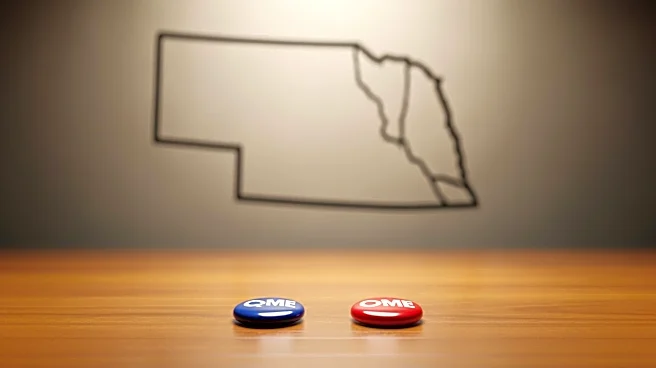
A recent internal poll conducted by the Democratic Party indicates a close gubernatorial race in Nebraska, a state traditionally dominated by Republicans. The poll reveals that incumbent GOP Governor Jim Pillen is in a statistical tie with Democratic challenger
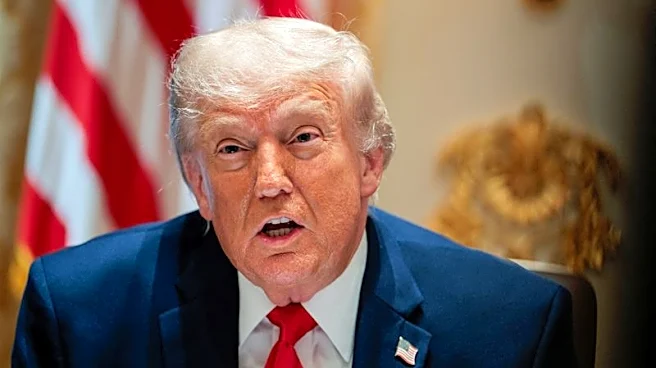
Lynne Walz, with Pillen holding a slight lead of 47% to Walz's 45%. This margin is within the poll's error range, suggesting a potentially competitive race. Historically, Nebraska has been a Republican stronghold, but Democrats are hopeful that President Trump's declining approval ratings could open opportunities in typically conservative states. The poll, conducted by Lake Research Partners, surveyed 900 likely voters and has a margin of error of ±3.3 percentage points. Walz, a former state senator, has seen her recognition and favorability increase, which may contribute to the tightening race.
Why It's Important?
The close race in Nebraska is significant as it reflects broader national trends where Democrats are attempting to capitalize on President Trump's waning popularity to make gains in traditionally Republican areas. A competitive gubernatorial race in Nebraska could signal shifting political dynamics and potentially influence other races, including the U.S. Senate race in the state. If Democrats can make inroads in Nebraska, it could indicate a larger trend of Democratic competitiveness in conservative regions, impacting future elections and policy directions. The outcome of this race could also affect local governance and policy, particularly if Walz's campaign themes of lowering costs and growing the state resonate with voters.
What's Next?
As the election approaches, both campaigns are likely to intensify their efforts to sway undecided voters. Governor Pillen will need to reinforce his support base and address any vulnerabilities exposed by the poll. Meanwhile, Walz will continue to build on her growing recognition and favorability, aiming to convert this into electoral success. The campaigns will likely focus on key issues such as the economy, healthcare, and education, which are pivotal to Nebraska voters. Additionally, external factors such as national political trends and President Trump's influence could play a role in shaping the final outcome.