








What's Happening?
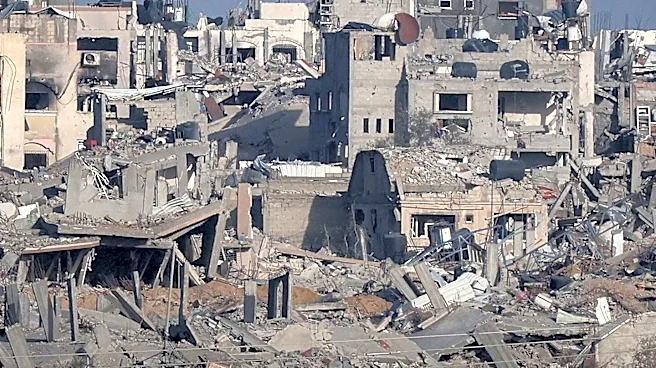
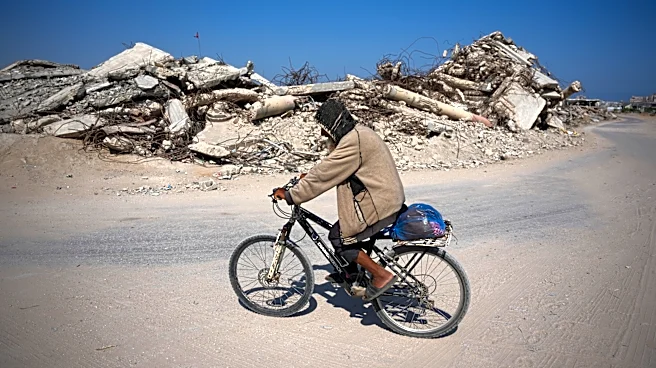
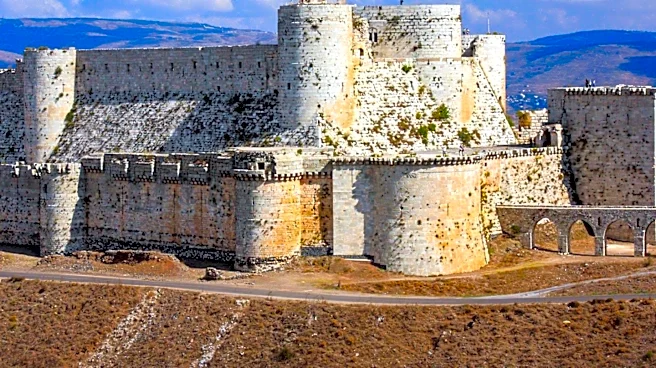
UNESCO has designated several sites, including Lebanon's Mount Amel Castles, the ancient city of Tyre, and the historic site of Sebastia in the West Bank, as World Heritage Sites in Danger. This decision was made during the 48th session of UNESCO's World Heritage Committee
in Busan, South Korea. The designation is given to sites that are under threat from serious dangers such as armed conflict, natural disasters, or large-scale development projects. The decision has sparked controversy, particularly regarding the Mount Amel Castles, with Israel's Foreign Ministry disputing claims that these sites are endangered due to Israeli military occupation, instead blaming Hezbollah for endangering Lebanon's historical sites.
Why It's Important?
The designation of these sites as endangered highlights the ongoing challenges in preserving cultural heritage in conflict zones. For the U.S., this underscores the importance of international cooperation in cultural preservation and the potential impact of geopolitical conflicts on heritage sites. The controversy surrounding the designation also reflects broader political tensions in the region, which can affect international relations and diplomatic efforts. The protection of these sites is crucial for maintaining cultural diversity and historical knowledge, which are valuable for global education and cultural understanding.