
What's Happening?
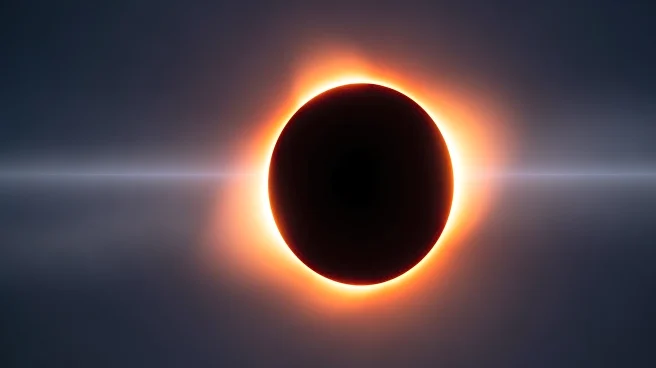
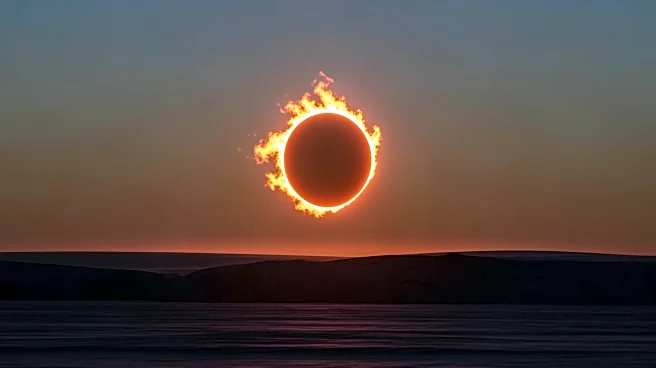
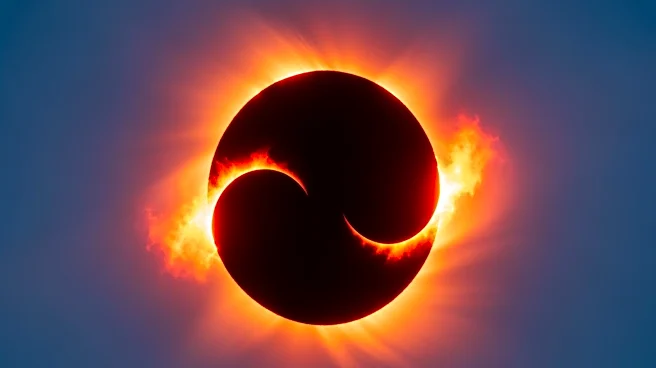
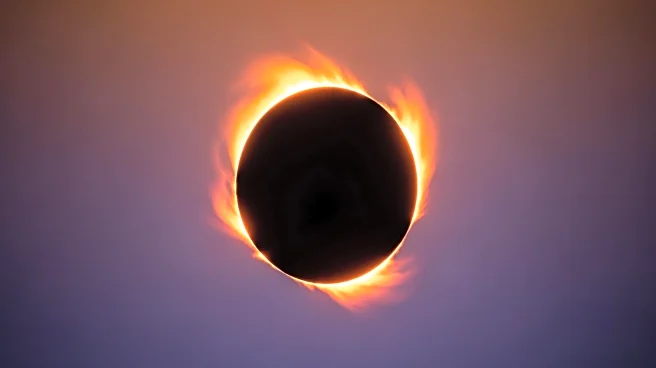
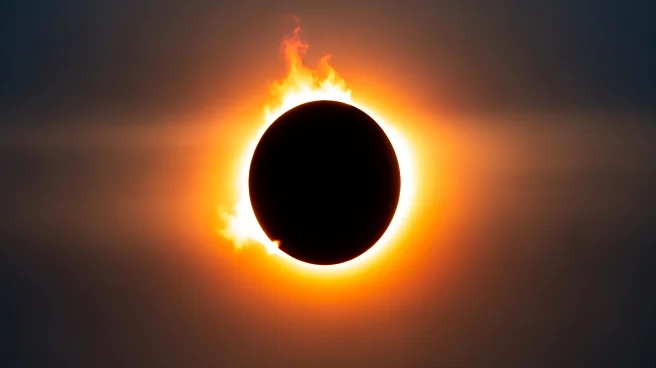
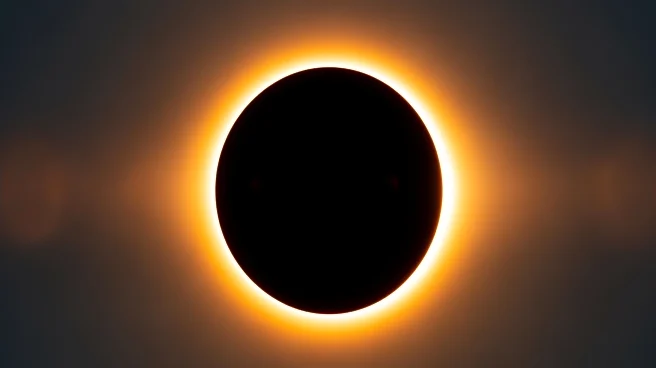
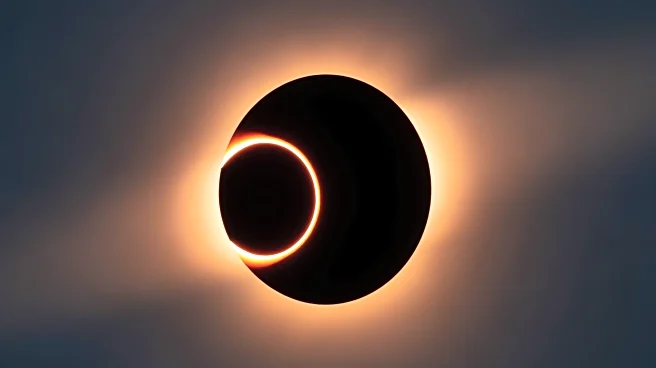
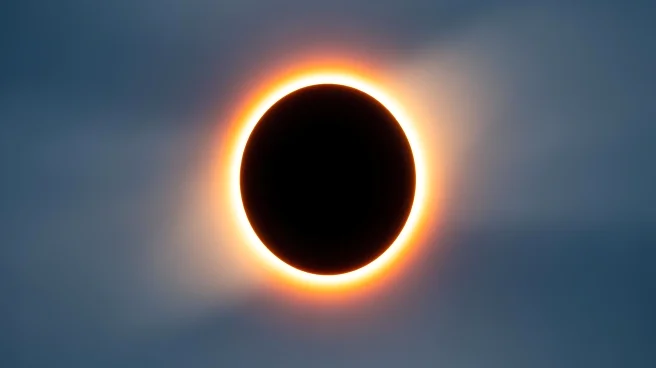
The 2026 annular solar eclipse, known as the 'ring of fire,' will occur on February 17, but it will not be visible from the United States. This eclipse happens when the Moon passes between the Earth and the Sun but appears smaller, leaving a bright ring of sunlight
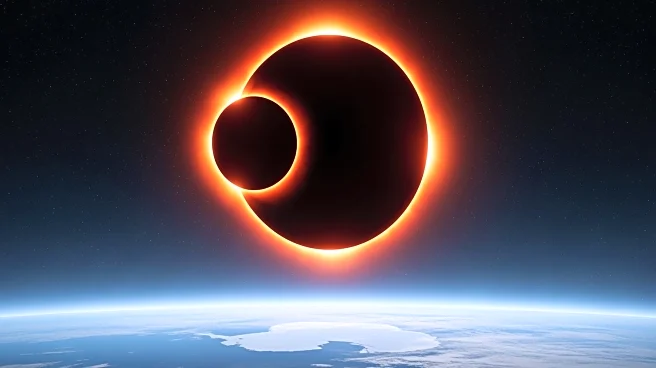
visible. The path of annularity will primarily pass over remote areas such as Antarctica and the Southern Ocean, making it inaccessible to most observers. Despite this, Americans can still experience the event through live broadcasts and virtual reality simulations, offering a unique opportunity to witness this rare phenomenon.
Why It's Important?
The 2026 annular solar eclipse highlights the challenges of geographic limitations in observing celestial events. While Americans will miss the direct view, the event underscores the role of technology in making such phenomena accessible to a global audience. Live streams and virtual experiences allow people to engage with the eclipse, fostering a sense of connection to the broader universe. This event also serves as a precursor to future eclipses, encouraging interest in astronomy and the study of celestial mechanics. The anticipation and coverage of the eclipse contribute to public education and scientific outreach.
What's Next?
As the 2026 annular solar eclipse approaches, organizations like NASA are preparing to provide comprehensive coverage, including expert commentary and high-definition imagery. This will enable viewers to experience the event from the comfort of their homes. The next annular solar eclipse visible from parts of the United States is not expected until 2046, making this event a valuable opportunity for education and engagement. Astronomy enthusiasts and educators will likely use this occasion to promote interest in future celestial events and the importance of scientific exploration.