






What's Happening?
The Chicago Architecture Center (CAC) recently hosted 'Flourishing Environments,' the third day of the international symposium 'Shaping Contemporary Realities: Architecture and Beyond.' This event, organized by Villa Albertine and MAS Context, focused
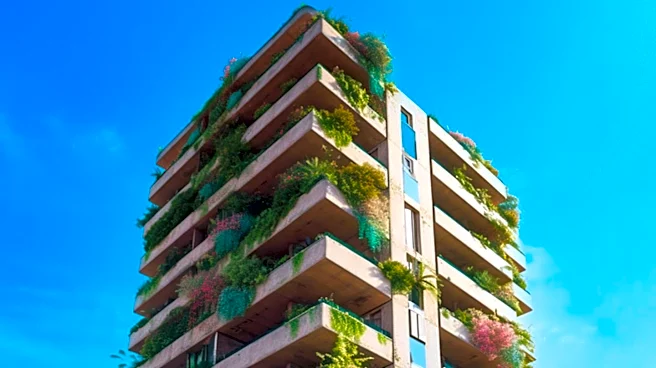
on the critical need for rigorous research and creative designs to foster coexistence between humans and non-humans in urban settings. The symposium highlighted short- and long-term approaches to achieve ethical, biodiverse, resilient, and joyful habitats. Speakers included Douglas Voigt, an urban design and planning partner at SOM, and Alissa Anderson, principal of publications and exhibitions and partner at Studio Gang. Philippe Madec, a writer, teacher, and urban planner from Associer in Paris, Rennes, and Montpellier, also presented, alongside sound and performance artist Stefania Becheanu. The day's discussions were followed by a reception at the CAC Galleries, featuring exhibitions like 'Flyway City: Architecture for a Flourishing Ecosystem' and 'Chicago's Living Habitat.'
Why It's Important?
This symposium underscores a growing recognition within the U.S. urban planning and architectural communities of the importance of biodiversity and sustainable design in city development. By bringing together architects, landscape architects, scientists, and artists, the event promotes interdisciplinary collaboration essential for addressing complex urban challenges. The focus on 'Flourishing Environments' reflects a shift towards more holistic urban planning that considers ecological health alongside human needs. This approach can lead to the creation of more livable, resilient, and environmentally responsible cities across the U.S., potentially influencing future policy decisions related to zoning, green infrastructure, and public space design. The involvement of institutions like the Chicago Architecture Center, a leading nonprofit cultural organization, highlights the increasing public and professional engagement with these critical issues, aiming to inspire better living through design and foster civic engagement regarding the future of the built environment.
What's Next?
The discussions and collaborations initiated at the 'Shaping Contemporary Realities' symposium are expected to contribute to ongoing efforts in urban planning and design. The insights shared by experts like Douglas Voigt and Alissa Anderson, along with international perspectives from Philippe Madec, could influence future architectural projects and urban development strategies in Chicago and other U.S. cities. The Chicago Architecture Center will likely continue to host exhibitions and educational programs that build upon these themes, further engaging the public and professionals in dialogue about sustainable urbanism. The symposium's emphasis on establishing spaces for collaboration suggests a continued push for interdisciplinary partnerships between design professionals and scientists to develop innovative solutions for urban biodiversity and environmental resilience. Future initiatives may include pilot projects implementing the discussed approaches, further research, and policy advocacy for more biodiverse and sustainable urban environments.
Beyond the Headlines
The 'Flourishing Environments' symposium delves into the deeper ethical and cultural dimensions of urban development, moving beyond purely functional considerations. It challenges the traditional anthropocentric view of city planning by advocating for the coexistence of humans and non-humans, thereby promoting a more inclusive understanding of urban ecosystems. This shift in perspective could lead to a re-evaluation of how public spaces are designed and managed, potentially integrating more natural habitats and green corridors within urban fabric. The involvement of a sound artist like Stefania Becheanu also highlights the growing recognition of sensory experiences in shaping urban environments, suggesting a more holistic and experiential approach to urban design. Ultimately, this symposium contributes to a broader cultural conversation about humanity's relationship with nature within increasingly urbanized landscapes, fostering a sense of stewardship and responsibility towards the natural world in U.S. cities.