







What's Happening?
The Environmental Protection Agency (EPA) has proposed a new rule that would exempt data centers in Georgia from certain air pollution permits. This proposal would eliminate the requirement for public transparency and participation in the permitting process
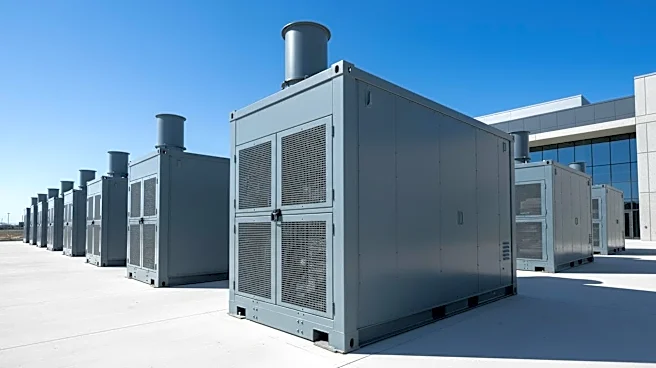
for 'minor sources' of pollution, which includes the diesel generators used by data centers for backup power. The Sierra Club has been actively commenting on the Georgia Environmental Protection Division's permitting process, highlighting concerns over the environmental impact of diesel generators. The organization argues that data centers should be required to use more protective emissions control technology and that there should be greater transparency about the number of generators and their cumulative effects on air quality. A public hearing on the EPA proposal is scheduled for July 22, with comments due by August 21, 2026.
Why It's Important?
The proposed exemption could have significant implications for environmental oversight and public health in Georgia. By removing transparency and public participation requirements, communities may have fewer opportunities to challenge new pollution sources in their neighborhoods. This could lead to increased air pollution from diesel generators, which are known to contribute to poor air quality and associated health risks. The Sierra Club and other environmental advocates argue that stronger regulations are needed to protect communities and ensure that data centers operate sustainably. The proposal also raises questions about the balance between economic development and environmental protection, as data centers are a growing industry with substantial energy demands.
What's Next?
The upcoming public hearing and comment period will be critical for stakeholders to voice their opinions on the proposed rule. Environmental groups like the Sierra Club are expected to continue advocating for stronger regulations and public participation in the permitting process. The outcome of this proposal could set a precedent for how data centers are regulated across the United States, influencing future policy decisions. If the rule is implemented, it may prompt further legal and public advocacy efforts to ensure that environmental and public health concerns are addressed.