






What's Happening?
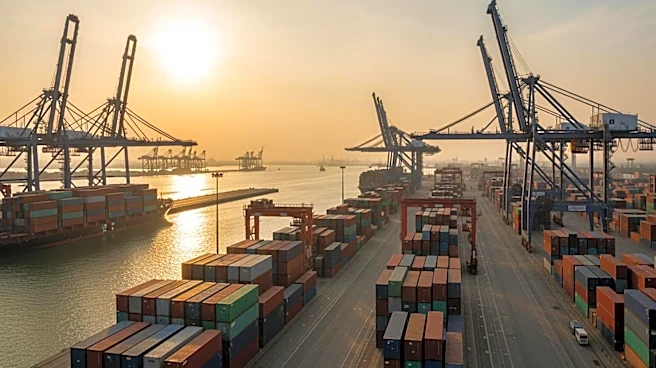
Rural grocery stores across the U.S. are playing a crucial role beyond just providing food. These stores serve as essential infrastructure, offering employment, community gathering spaces, and access to necessary goods. The operational challenges they
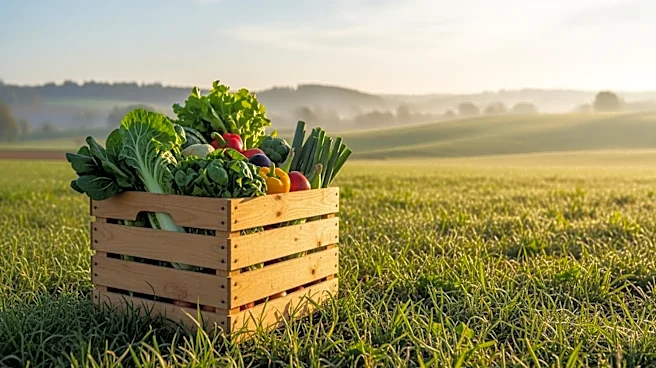
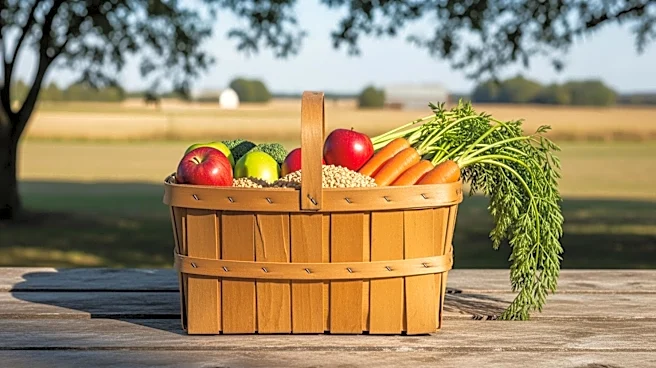
face include complex ownership models, workforce management, and distribution issues. Locally owned stores often have to balance community needs with business sustainability, unlike corporate models where decisions are made remotely. Workforce flexibility is critical, as employees often juggle multiple roles, and even minor staffing gaps can disrupt operations. Distribution constraints, such as delivery schedules and rising costs, further complicate their ability to offer diverse products. Despite these challenges, many stores are finding creative solutions, like sourcing products locally, to maintain flexibility and community trust.
Why It's Important?
The significance of rural grocery stores extends beyond their immediate economic impact. They are vital to the social fabric of their communities, providing not just goods but also a sense of connection and support. The challenges they face highlight broader issues in rural economies, such as limited access to resources and the need for adaptable business models. These stores' ability to survive and thrive affects local employment rates and community well-being. Their success or failure can influence local economies significantly, as they often serve as one of the few local employers and community hubs. Supporting these stores can lead to more resilient rural communities, capable of withstanding economic fluctuations and maintaining local traditions and connections.
What's Next?
Future developments for rural grocery stores may involve increased collaboration with local producers and community initiatives to enhance sustainability. As these stores continue to adapt, they might explore new business models or partnerships to overcome distribution and workforce challenges. Community support will remain crucial, as local residents' purchasing decisions directly impact these stores' viability. Policymakers and rural development organizations might also play a role in providing resources or incentives to support these essential businesses. The ongoing evolution of rural grocery stores will likely focus on balancing economic viability with community service, ensuring they remain integral parts of their local landscapes.