






What's Happening?
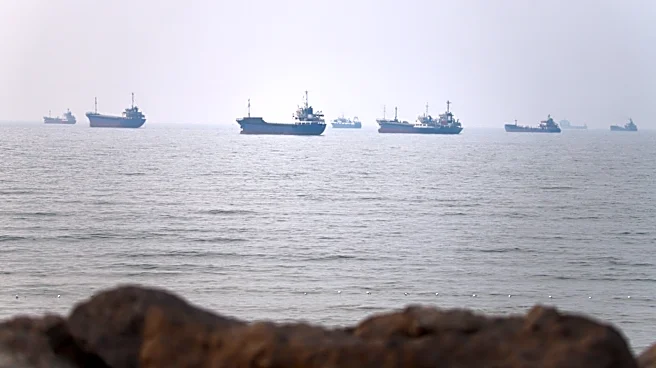
Iranian oil supplies at sea have increased following Tehran's ramp-up of exports during an interim peace deal with the United States. However, sales have been sluggish as independent Chinese refiners, known as 'teapots', have opted for cheaper crude from
Iraq, the UAE, and Qatar. This shift comes as U.S. sanctions are reinstated, potentially leaving Iran with unsold cargoes as shipments reach Asia. The independent refiners in Shandong, China, have purchased between 16 million to 20.5 million barrels of non-sanctioned Middle Eastern oil, marking their largest such purchase since the conflict began. Meanwhile, privately owned Shenghong Petrochemical has acquired 12 million barrels of crude from Iraq, Abu Dhabi, and Saudi Arabia. The influx of non-Iranian oil, sold at discounts, has reduced demand for Iranian oil, which remains priced higher despite the market conditions.
Why It's Important?
The situation highlights the complex dynamics of global oil markets, where geopolitical tensions and economic sanctions significantly impact trade flows. The reinstatement of U.S. sanctions on Iran could lead to increased volatility in oil prices and supply chains, affecting global energy markets. For Iran, the challenge lies in finding buyers for its oil amidst competitive pricing from other Middle Eastern producers. This scenario could strain Iran's economy, which relies heavily on oil exports. For the U.S., the sanctions aim to exert pressure on Iran, but they also risk destabilizing regional markets and affecting global oil prices. The shift in Chinese refiners' purchasing patterns underscores the strategic adjustments countries make in response to geopolitical developments.
What's Next?
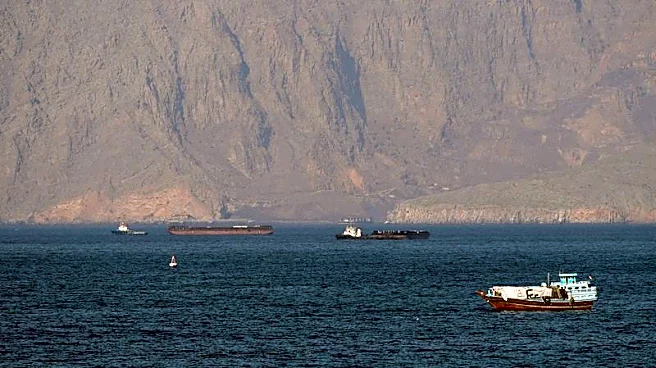
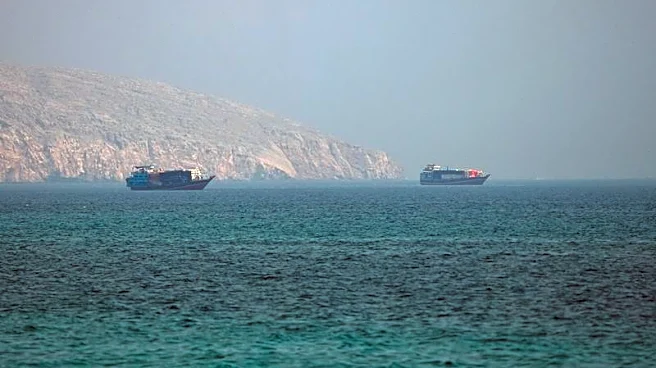
As U.S. sanctions take effect, Iran may face difficulties in maintaining its export levels, potentially leading to a buildup of unsold oil. Traders anticipate that Iranian oil sales might increase next week, with expectations of discounts for August-September deliveries. The geopolitical landscape remains tense, with potential for further disruptions in the Strait of Hormuz, a critical chokepoint for global oil shipments. The international community will be watching closely to see how Iran navigates these challenges and whether diplomatic efforts can ease tensions and stabilize the market.