





What's Happening?
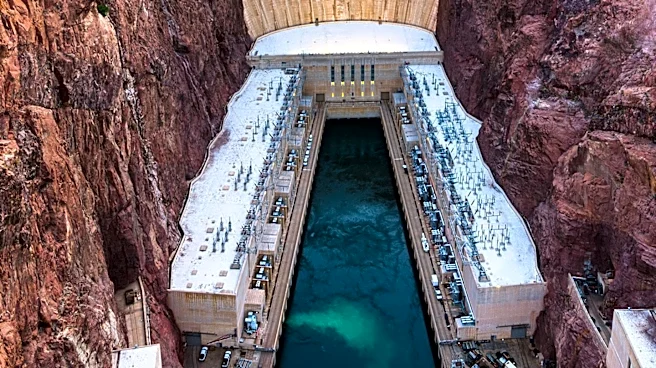
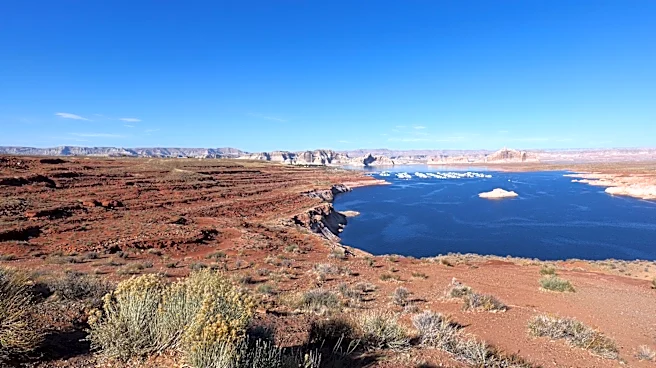
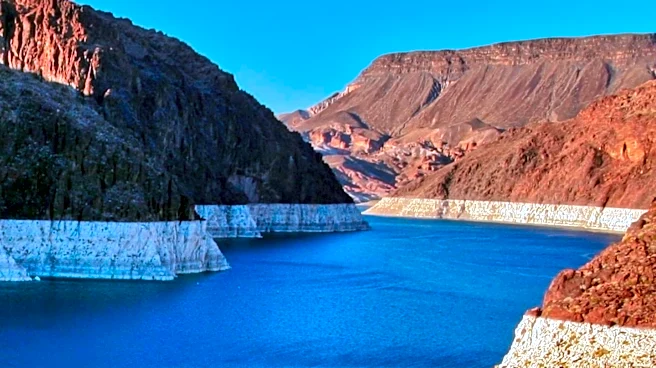
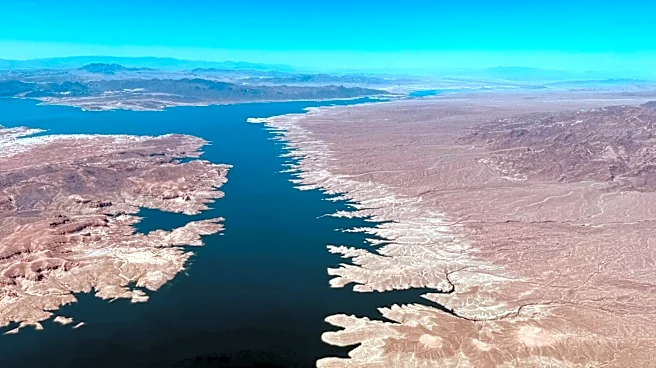
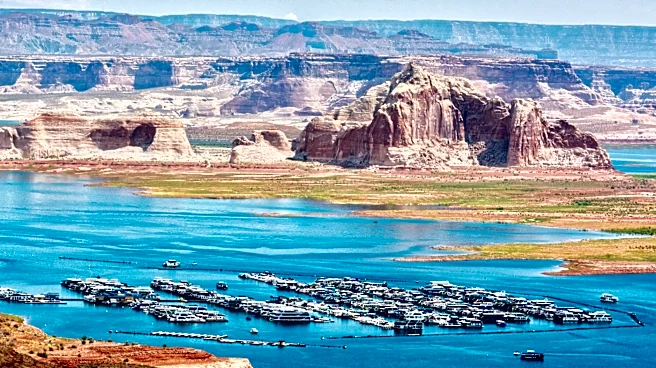
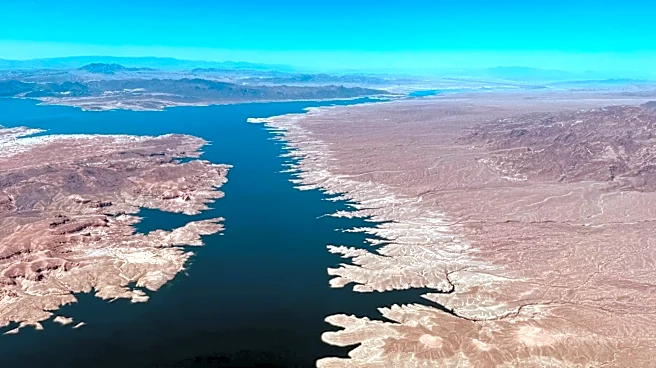
Lake Powell is nearing a critical threshold that could lead to higher electricity costs across parts of the Western United States. Current water levels are just 34 feet above the minimum power pool, the point at which Glen Canyon Dam can no longer produce
hydropower. The U.S. Bureau of Reclamation projects that Lake Powell could reach this level by March 2027. The potential loss of hydropower would require utilities to replace it with more expensive and volatile energy sources, such as natural gas. This situation is part of a broader pattern of drought-related challenges affecting hydropower generation and electricity prices in the region.
Why It's Important?
The Lake Powell crisis highlights the vulnerability of the Western U.S. energy grid to climate-related disruptions. Hydropower is a key component of the region's energy mix, and its reduction could lead to increased electricity costs for consumers, particularly in areas heavily reliant on federal hydropower. The situation underscores the need for diversified energy sources and strategic planning to mitigate the impact of climate change on energy infrastructure. The potential increase in energy costs could have significant economic implications, affecting both residential and industrial consumers.
What's Next?
Federal and state agencies are likely to explore measures to manage water resources and energy production more effectively. This could involve revising operating guidelines for the Colorado River system and investing in alternative energy sources to reduce reliance on hydropower. The situation also calls for increased collaboration between energy providers and regulators to ensure grid reliability and affordability. As the crisis unfolds, stakeholders will need to balance immediate energy needs with long-term sustainability goals.