


What's Happening?
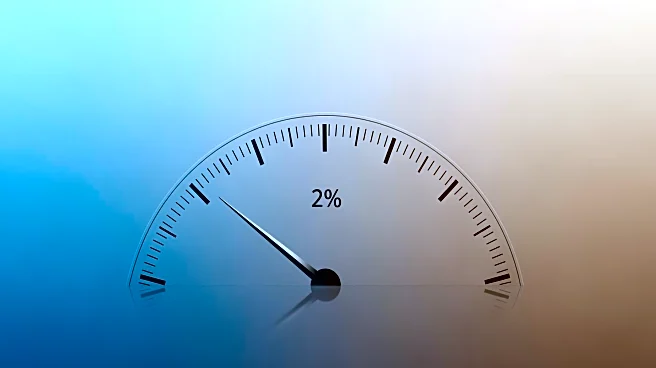
Japan's headline inflation rate dropped to 1.5% in January, marking the first time since March 2022 that it has fallen below the Bank of Japan's (BOJ) 2% target. This decline ends a 45-month streak of inflation rates above the target. The core inflation rate,
which excludes fresh food prices, decreased to 2%, while the 'core-core' inflation, excluding both fresh food and energy prices, was recorded at 2.6%. The reduction in inflation is attributed to government tax relief measures and stabilizing food costs. The BOJ has upgraded its inflation forecasts for fiscal 2026, projecting core inflation at 1.9% and 'core-core' inflation at 2.2%.
Why It's Important?
The drop in Japan's inflation rate is significant as it suggests a potential stabilization in the country's economy, which narrowly avoided a technical recession with a 0.1% GDP growth in the fourth quarter. The easing of inflation pressures could provide relief to consumers and businesses facing high costs. However, the BOJ's decision to maintain or adjust interest rates will be closely watched, as it could impact economic growth and consumer spending. The government's efforts to stabilize food prices and provide tax relief are crucial in maintaining economic stability and consumer confidence.
What's Next?
The BOJ is expected to assess the impact of spring wage negotiations before making any decisions on interest rate adjustments. Economists predict that the BOJ may raise rates to 1% at its June meeting. The government's continued focus on stabilizing food prices and easing living costs will be essential in maintaining economic stability. The outcome of these measures will influence future economic policies and the BOJ's approach to managing inflation and interest rates.