







What's Happening?
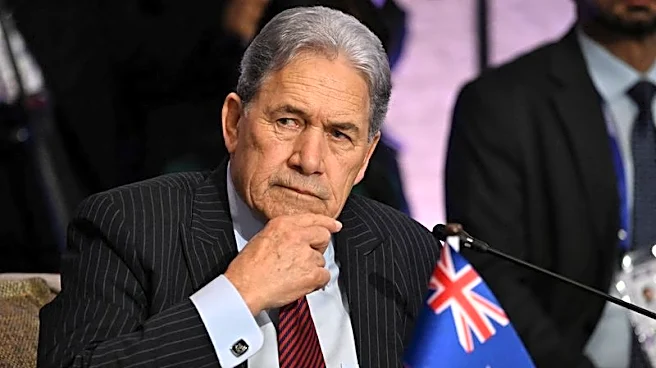
New Zealand is actively asserting its diplomatic influence on the global stage, particularly through its strong advocacy for nuclear disarmament, multilateralism, and a rules-based international order. Despite being a smaller nation, it leverages its alliances,
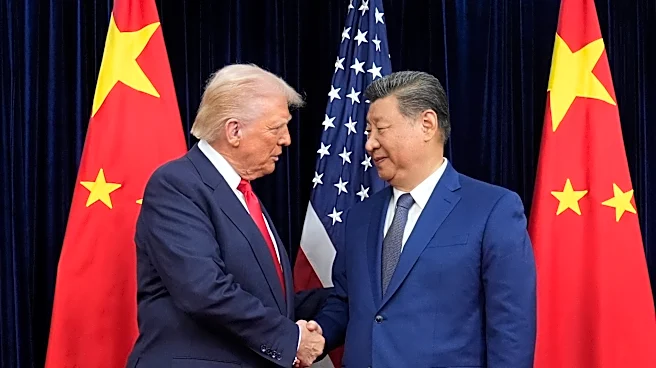
including the Five Eyes intelligence-sharing agreement and its close relationship with Australia, to promote its core values of human rights and environmental protection. New Zealand maintains a pragmatic and independent foreign policy, often navigating between the spheres of influence of larger powers like China and the United States. This approach allows it to champion its principles effectively, contributing to global discussions on critical issues.
Why It's Important?
New Zealand's diplomatic stance is significant as it demonstrates how a smaller nation can exert considerable influence through principled foreign policy and strategic alliances. Its consistent advocacy for nuclear disarmament contributes to global security efforts and encourages non-proliferation, a critical concern for international stability. By promoting multilateralism, New Zealand reinforces the importance of international cooperation and institutions in addressing complex global challenges, from climate change to human rights. Its independent foreign policy, while maintaining strong alliances, offers a model for other nations seeking to balance national interests with global responsibilities. This approach can inspire broader international engagement and foster a more collaborative global environment, potentially influencing the foreign policy considerations of larger powers by providing a consistent voice for shared values.
What's Next?
New Zealand is expected to continue its active role in international forums, advocating for its core principles. This will likely involve ongoing participation in discussions and initiatives related to nuclear disarmament, potentially pushing for stronger international treaties and enforcement mechanisms. Its commitment to multilateralism suggests continued engagement with organizations like the United Nations and other international bodies to address global issues. Furthermore, New Zealand will likely maintain its pragmatic foreign policy, carefully balancing its relationships with major global powers while upholding its independent stance on human rights and environmental protection. This consistent approach will solidify its reputation as a reliable and principled actor on the world stage, potentially influencing the agendas of international conferences and diplomatic efforts.
Beyond the Headlines
New Zealand's diplomatic strategy highlights a broader trend where smaller nations can carve out significant niches in global governance by focusing on specific, universally relevant issues. Its emphasis on human rights and environmental protection, coupled with its independent foreign policy, positions it as a moral compass in certain international debates. This approach can foster greater trust and credibility among developing nations and civil society groups, amplifying its voice beyond its economic or military might. The 'punching above its weight' phenomenon also challenges traditional notions of power in international relations, suggesting that moral authority and consistent advocacy can be as impactful as economic or military strength in shaping global discourse and policy. This long-term commitment could inspire other nations to adopt similar principled stances, contributing to a more ethical and cooperative international system.