








What's Happening?
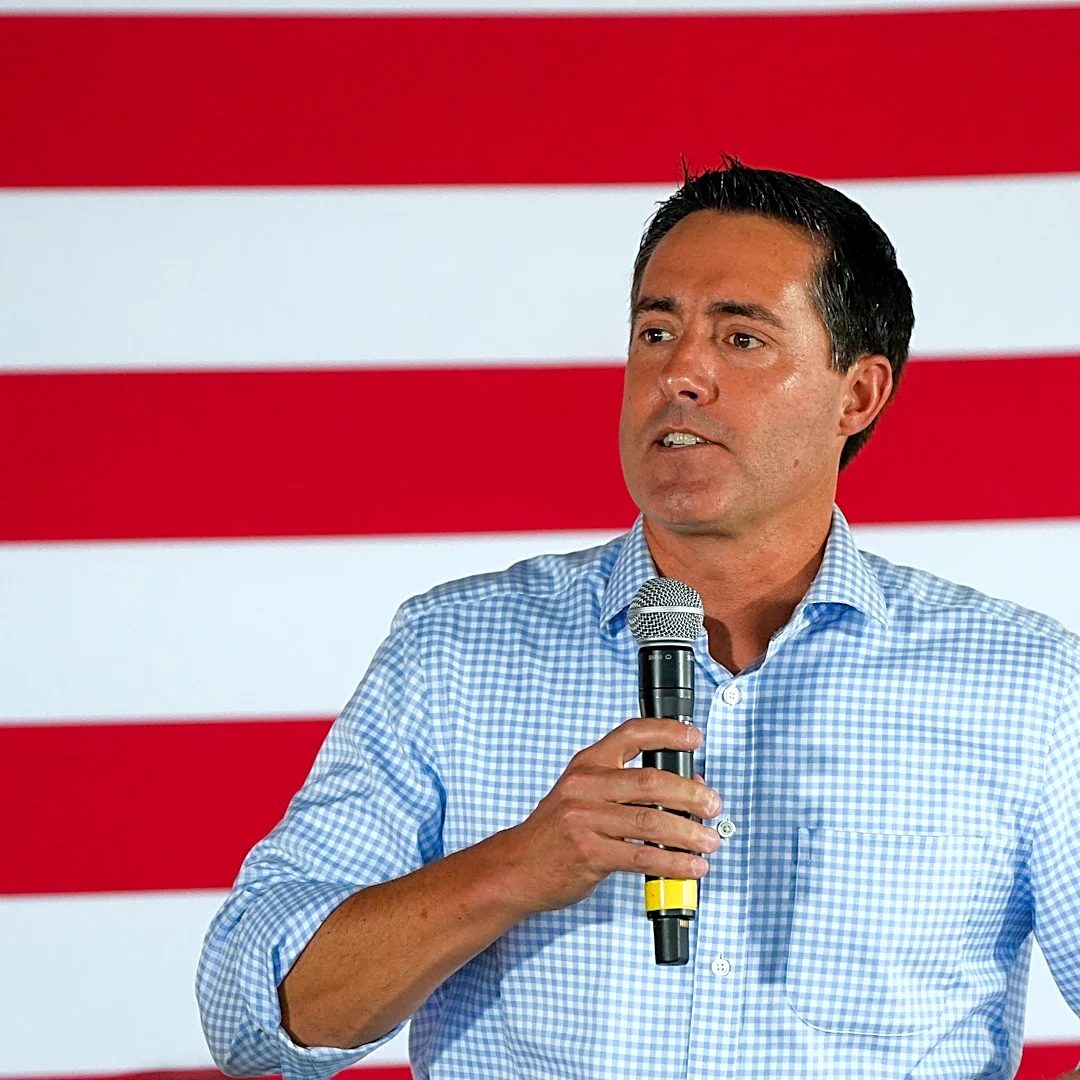
Oregon Governor Tina Kotek has issued an order to pause the approval of new state and federal air and water pollution permits for data center projects until July 2027. This action effectively creates a moratorium on new data centers and expansions within
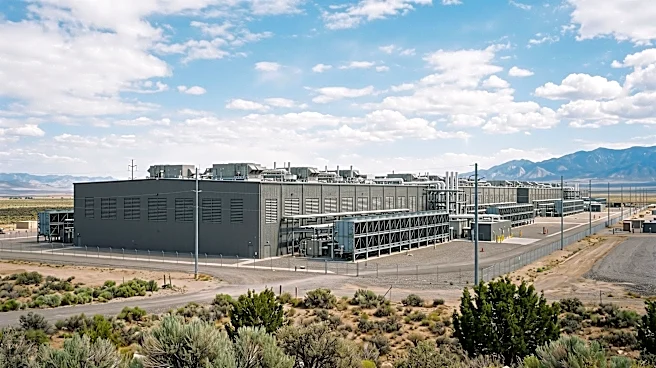
the state. The order was communicated in a letter to Leah Feldon, director of the Oregon Department of Environmental Quality. This move follows calls from groups like Oregon Rural Action for a statewide three-year data center moratorium. Governor Kotek's decision comes after a previous one-year pause on approvals for data centers on state land or in state buildings. She has consistently stated that she lacks the authority to implement a statewide moratorium without legislative action. The governor's Data Advisory Committee has been conducting fact-finding meetings and recently released a preliminary report, with public comments accepted until October 24. The pause could impact a proposed Amazon hyperscale facility in Boardman, which requires an air pollution permit currently under review.
Why It's Important?
This pause on environmental permits for data centers in Oregon carries significant implications for both the technology industry and local communities. Oregon has historically been a prime location for data centers due to its lack of sales tax, moderate climate, relatively inexpensive electricity, and attractive property tax incentives. The state ranks among the top 10 markets for data centers in the U.S. The moratorium could deter future investments in the state's data center sector, potentially shifting development to other regions. Amazon Web Services Vice President Shannon Kellogg has stated that the pause would eliminate thousands of construction jobs, hundreds of operational jobs, halt billions of dollars in planned investment, and impact a key source of revenue for many Oregon communities and small businesses. Conversely, environmental groups and local residents have raised concerns about the environmental impact of these facilities, particularly regarding air and water pollution, and have advocated for stricter regulations or a moratorium. This decision highlights the growing tension between economic development and environmental protection in rapidly expanding tech sectors.
What's Next?
The temporary pause on environmental permits is set to last until July 2027, providing a window for Governor Kotek to evaluate recommendations from her Data Advisory Committee and for potential policy or regulatory reforms to be considered during the 2027 legislative session. The public comment period for the committee's preliminary report concludes on October 24, which will inform future policy discussions. Governor Kotek is expected to propose a policy addressing data center concerns in January when the Legislature reconvenes. The fate of proposed projects, such as the Amazon hyperscale facility in Boardman, remains uncertain as its air pollution permit is under review by the Oregon Department of Environmental Quality. The decision will likely prompt reactions from major stakeholders, including technology companies, environmental advocacy groups, and local communities, as they assess the long-term implications for Oregon's economic landscape and environmental policies. The legislative session in 2027 will be crucial in determining the future regulatory environment for data centers in the state.
Beyond the Headlines
The Oregon governor's decision to pause environmental permits for data centers reflects a broader national and global reevaluation of the environmental footprint of the digital economy. While data centers are essential infrastructure for modern society, their significant energy consumption and water usage, along with potential air and water pollution, are increasingly scrutinized. This move in Oregon could set a precedent for other states grappling with similar issues, potentially leading to more stringent environmental regulations for data center development across the U.S. It also underscores the evolving role of state governments in balancing technological growth with sustainability goals. The debate extends beyond immediate economic impacts to questions of long-term resource management, climate change mitigation, and the equitable distribution of environmental burdens. The outcome in Oregon could influence how states approach attracting and regulating high-tech industries, pushing for more sustainable practices and greater accountability from corporations regarding their environmental responsibilities.