








What's Happening?
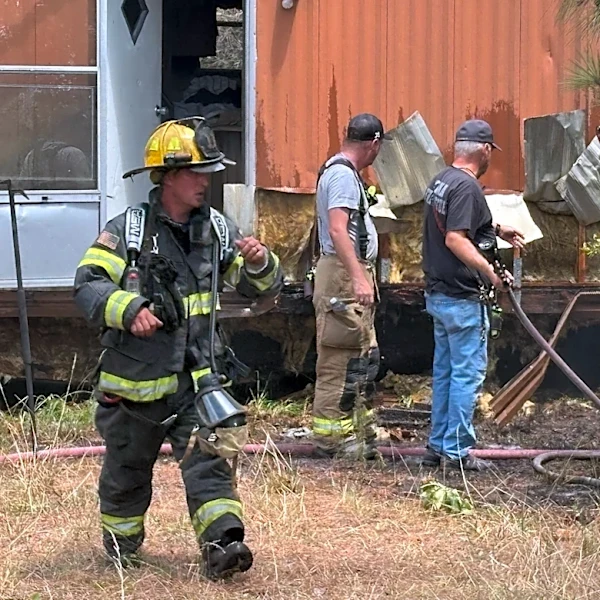
A new study conducted in South Korea highlights significant differences in how healthcare providers and civil society advocates perceive pandemic resource allocation. The research, published in BMC Health Services Research, involved interviews with 16
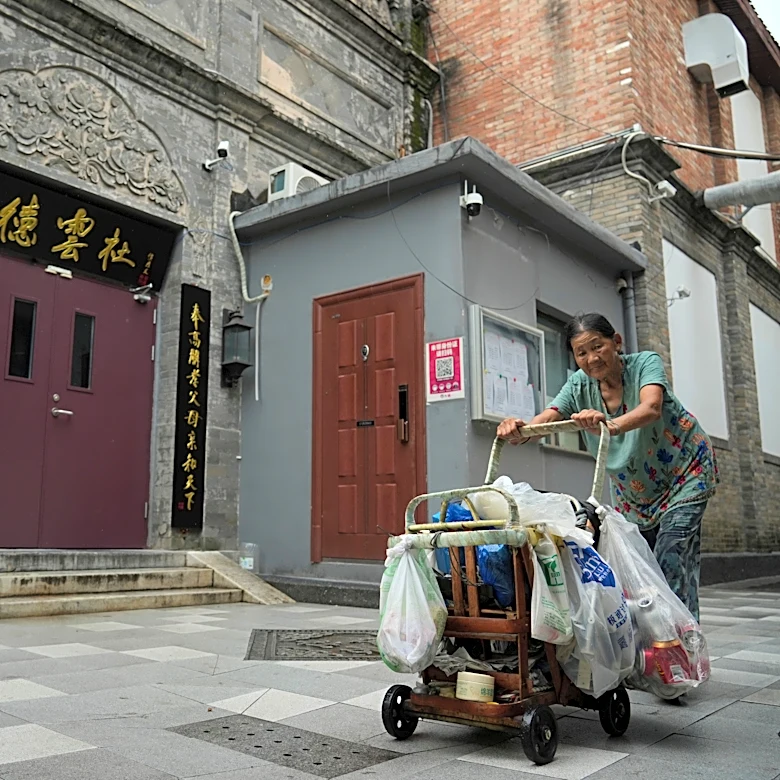
frontline clinicians and 15 civil society advocates who supported marginalized populations during the COVID-19 pandemic. The study identified four key areas of divergence: the nature of scarcity, the definition of fairness, the meaning of survival, and the approach to preparedness. Healthcare providers primarily viewed scarcity as a shortage of clinical assets like beds and ventilators within hospitals, while advocates saw it as barriers preventing marginalized individuals from accessing care in the first place. Regarding fairness, providers emphasized clinical need, whereas advocates incorporated structural vulnerability and unequal access. The concept of survival also differed, with providers focusing on mortality prevention and treatment capacity, and advocates broadening it to include 'social survival,' encompassing continuity of care for chronic conditions and preservation of livelihoods. Both groups, however, agreed on the necessity of establishing ethical principles and institutional preparedness before a crisis.
Why It's Important?
This study is important because it uncovers fundamental conceptual disagreements in pandemic response, which can have profound implications for public health policy and equity. The differing perspectives between healthcare providers and civil society advocates reveal a structural fault line in how pandemic scarcity is understood and addressed. If policymakers only consult hospital administrators and physicians, they risk developing plans that overlook the systemic barriers faced by vulnerable populations. This can lead to an inequitable distribution of resources, where those who are already marginalized are further disadvantaged. The study suggests that a narrow focus on clinical capacity and in-hospital patients can perpetuate existing health disparities, even in well-intentioned emergency responses. Understanding these divergent viewpoints is crucial for developing more inclusive and effective pandemic preparedness frameworks that genuinely serve all segments of society, particularly in the U.S. where health equity is a significant concern.
What's Next?
The findings of this study suggest that future pandemic preparedness efforts must institutionalize equity safeguards and participatory governance in advance of a public health emergency. Policymakers are encouraged to engage a broader range of stakeholders, including civil society organizations and patient advocates, in the planning process. This would ensure that the definitions of 'resources,' 'legitimate recipients,' and 'survival' are comprehensive and reflect the needs of diverse communities. The study advocates for the creation of standing participatory bodies that include affected communities to help define the terms of the problem before scarcity forces difficult decisions. Without such proactive measures, the study warns that the invisible exclusions documented by advocates will likely reproduce themselves in future crises, regardless of how well-stocked a healthcare system might be with clinical equipment. The ongoing post-pandemic reviews and revisions of emergency preparedness frameworks in various governments offer an opportunity to integrate these insights.
Beyond the Headlines
Beyond the immediate policy implications, this study delves into the ethical and moral dimensions of public health crises. It highlights that resource allocation during a pandemic is not merely a technical problem solvable by data or refined scoring systems, but rather a conceptual dispute about the boundaries of the moral community a health system serves. The research underscores that even within the same national context and facing the same pandemic, different actors can have fundamentally different problem definitions. This suggests a deeper societal challenge in achieving consensus on who counts and what truly matters in times of extreme stress. The study's methodology, which uses policy vignettes to ground abstract ethical discussions in concrete, historically real decisions, offers a valuable model for future research in disaster ethics, ensuring that findings are ecologically valid and reflect the lived experiences of those affected. It challenges the conventional framing of pandemic preparedness, urging a shift from solely focusing on stockpiles and surge capacity to also considering the social fabric that keeps people alive between medical encounters.