





What's Happening?
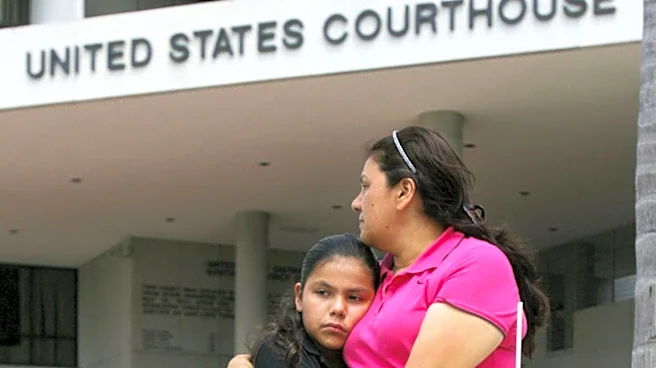
Amnesty International is calling for the immediate release of medical records for an asylum seeker named Anabell, who was unlawfully arrested by Immigration and Customs Enforcement (ICE) agents on February 25, 2026. Anabell, who learned she was pregnant
shortly after her arrest, was detained for eight months without receiving prenatal care. During her detention, she was reportedly forced to carry heavy objects, leading to significant pain and bleeding that required hospitalization. Although a judge ruled her arrest unlawful and she was released on October 30, ICE has refused to provide her with her medical records. This refusal prevents Anabell from fully understanding the treatment she received and what transpired during her detention. Amnesty International is urging individuals to take action by sending letters and emails to ICE Field Office Director, Enforcement and Removal Operations (ERO), Sam Olson, and posting on social media to pressure for the release of these records.
Why It's Important?
This case highlights critical human rights concerns within the U.S. immigration system, particularly regarding the treatment of vulnerable individuals like pregnant asylum seekers. The alleged denial of prenatal care and the forced physical labor during Anabell's detention, despite her pregnancy, raise serious questions about the medical and ethical standards within ICE facilities. The subsequent refusal to release her medical records further compounds the issue, potentially hindering her ability to seek appropriate follow-up care or pursue legal recourse for any harm suffered. This situation underscores broader systemic problems related to transparency, accountability, and the protection of human rights for asylum seekers in U.S. custody. Amnesty International's intervention aims to draw public attention and pressure on ICE to adhere to humanitarian standards and legal obligations, emphasizing the need for humane treatment and access to essential medical information for all detainees.
What's Next?
Amnesty International's urgent action campaign is set to continue until April 1, 2027, indicating a sustained effort to pressure ICE for the release of Anabell's medical records. The organization is mobilizing public support through various channels, including direct communication with ICE officials and social media engagement. If ICE continues to withhold the records, Anabell and her legal representatives may explore further legal avenues to compel their release, potentially leading to court challenges. This case could also prompt increased scrutiny from human rights organizations, legal advocacy groups, and potentially legislative bodies regarding the policies and practices of ICE, especially concerning the medical care of pregnant detainees and the transparency of medical records. The outcome of this specific case could set a precedent for how medical information is handled for asylum seekers and detainees in the future, influencing broader reforms within the U.S. immigration detention system.
Beyond the Headlines
This incident reflects a deeper tension between national security interests and humanitarian obligations in the context of immigration enforcement. The alleged mistreatment of Anabell and the withholding of her medical records touch upon fundamental ethical principles concerning bodily autonomy, informed consent, and the right to health. It also raises questions about the oversight mechanisms in place to ensure that government agencies like ICE adhere to human rights standards, particularly when dealing with individuals who are not U.S. citizens and may have limited legal protections. The case could fuel ongoing debates about the role of detention in the asylum process and the need for alternatives that prioritize the well-being of asylum seekers. Furthermore, it highlights the power imbalance between detainees and government agencies, where access to crucial information can be arbitrarily denied, impacting an individual's ability to advocate for themselves and seek justice. The broader implication is a call for a more compassionate and transparent approach to immigration enforcement that upholds the dignity and rights of all individuals.