



What's Happening?
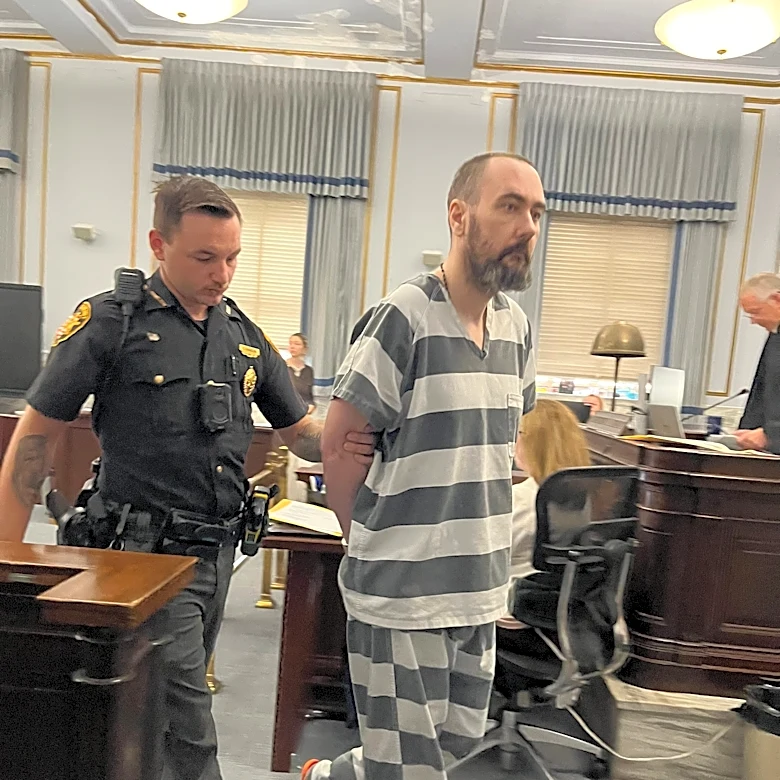
A 46-year-old Detroit man, Jabari Long, has been sentenced to 24 months in federal prison after pleading guilty to conspiring to commit wire fraud. The charges stem from a multi-million dollar scheme involving pandemic relief funds. According to court
records and the U.S. Attorney’s Office for the Eastern District of Michigan, Long fraudulently obtained a $2.187 million Paycheck Protection Program (PPP) loan and a $150,000 Economic Injury Disaster Loan (EIDL) through his contracting business, Priceless Preservations Construction. Long claimed his business had 50 employees and an average monthly payroll of $875,000. However, prosecutors stated that the company had few, if any, employees and minimal payroll expenses. Within weeks of receiving the funds, Long used some of the money to purchase a four-bedroom home in Beverly Hills. He also admitted to submitting false tax documents to secure the loans.
Why It's Important?
This sentencing highlights the ongoing efforts by federal authorities to combat fraud related to pandemic relief programs. The Paycheck Protection Program and Economic Injury Disaster Loans were established to provide critical financial support to businesses struggling during the COVID-19 pandemic. Cases like Long's demonstrate how these vital programs were exploited by individuals who misrepresented their financial situations, diverting funds intended for legitimate businesses and their employees. The fraudulent acquisition of millions of dollars not only undermines the integrity of government assistance programs but also impacts the broader economy by misallocating resources. The restitution order of $2,187,500 underscores the financial damage caused by such schemes and the government's commitment to recovering stolen funds. This case serves as a deterrent, signaling that those who engage in pandemic-related fraud will face significant legal consequences.
What's Next?
Following his 24-month prison sentence, Jabari Long will serve three years of supervised release. The court has also ordered him to pay $2,187,500 in restitution. Federal officials, including Homeland Security Investigations and IRS Criminal Investigation, will continue their efforts to investigate and prosecute individuals involved in similar pandemic fraud schemes. The focus will likely remain on identifying other fraudulent loan recipients and recovering misused funds. This case may also prompt further scrutiny and potential reforms in the application and oversight processes for future government relief programs to prevent similar abuses. The ongoing legal actions are expected to reinforce public trust in the government's ability to hold fraudsters accountable and protect taxpayer money.
Beyond the Headlines
The prevalence of pandemic relief fraud cases, such as this one, points to broader systemic vulnerabilities that can emerge during times of crisis when rapid deployment of aid is prioritized. While the intent of programs like PPP and EIDL was to provide immediate economic relief, the speed of implementation sometimes led to insufficient safeguards, making them susceptible to exploitation. This situation raises questions about the balance between swift aid distribution and robust fraud prevention mechanisms. The ethical implications extend to the misuse of public trust and the diversion of resources from those genuinely in need. Long-term, these cases could influence future legislative decisions regarding emergency funding, potentially leading to more stringent verification processes and increased inter-agency collaboration to detect and deter fraud from the outset. The impact on public perception of government efficiency and accountability is also a significant, albeit less tangible, consequence.