






What's Happening?
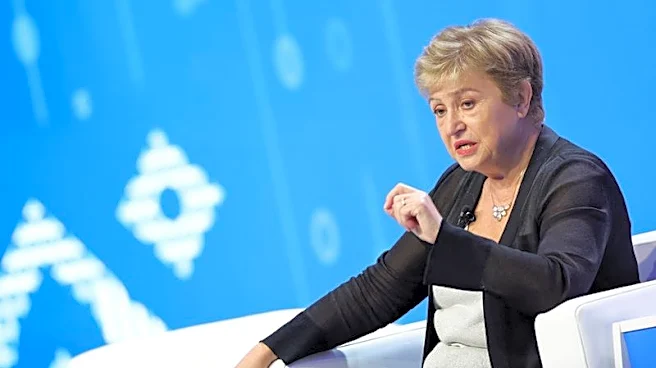
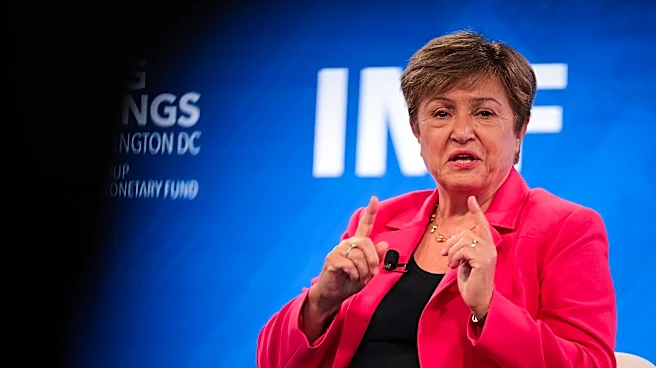
The International Monetary Fund (IMF) is organizing a hybrid event focused on labor markets and structural transformation in the context of artificial intelligence (AI) and demographic shifts. The event, scheduled for November 17-18, will feature prominent
figures from various international organizations and government bodies. Participants include IMF Deputy Managing Director Bo Li, Peterson Institute for International Economics (PIIE) President Adam S. Posen, Greek Minister of Labor and Social Security Niki Kerameus, Governor of the Danish Central Bank Signe Krogstrup, OECD Chief Economist Stefano Scarpetta, and World Bank Chief Economist of the Prosperity Vertical Aart Kraay. The discussions will take place both online and in person at the Peterson Institute for International Economics, starting at 9:00 AM ET. This gathering aims to bring together leading voices to explore the complex interplay between technological advancements, changing demographics, and their impact on global labor markets.
Why It's Important?
This event is significant because it addresses critical global economic challenges that have profound implications for the U.S. and other nations. The rise of AI is rapidly reshaping industries, creating new job opportunities while potentially displacing others, leading to a need for significant workforce retraining and adaptation. Concurrently, demographic shifts, such as aging populations in many developed countries and differing population growth rates globally, are altering labor supply and demand dynamics. Understanding these trends is crucial for policymakers, businesses, and workers to prepare for future economic landscapes. The insights shared by the diverse panel of experts could inform strategies for fostering inclusive growth, mitigating job displacement, and ensuring economic stability in an era of rapid technological and demographic change. The discussions will likely highlight policy recommendations that could influence national and international approaches to labor market development and social security systems.
What's Next?
The immediate next step is the event itself, scheduled for November 17-18. Following the discussions, it is anticipated that the IMF and participating organizations may release summaries, reports, or policy briefs detailing the key findings and recommendations. These outputs could influence future research agendas, policy dialogues, and strategic planning within international financial institutions and national governments. Stakeholders, including labor unions, industry leaders, and academic researchers, will likely analyze the outcomes to inform their own strategies and advocacy efforts. The event could also serve as a catalyst for further collaborative initiatives aimed at addressing the challenges and opportunities presented by AI and demographic shifts in the global labor market. The insights gained may also feed into the IMF's ongoing country consultations and technical assistance programs.
Beyond the Headlines
Beyond the immediate policy implications, the discussions at this IMF event touch upon deeper societal transformations. The integration of AI into the workforce raises ethical questions about job quality, income inequality, and the future of work itself. As AI automates routine tasks, there is a growing imperative to invest in human capital development, fostering skills that complement AI capabilities, such as critical thinking, creativity, and emotional intelligence. Furthermore, demographic shifts challenge traditional social contract models, particularly concerning retirement ages, healthcare funding, and intergenerational equity. The event may implicitly highlight the need for a paradigm shift in education and lifelong learning systems to ensure adaptability and resilience in the face of continuous change. The long-term implications involve a re-evaluation of economic models to ensure that technological progress benefits all segments of society, preventing a widening of the digital and economic divide.