




What's Happening?
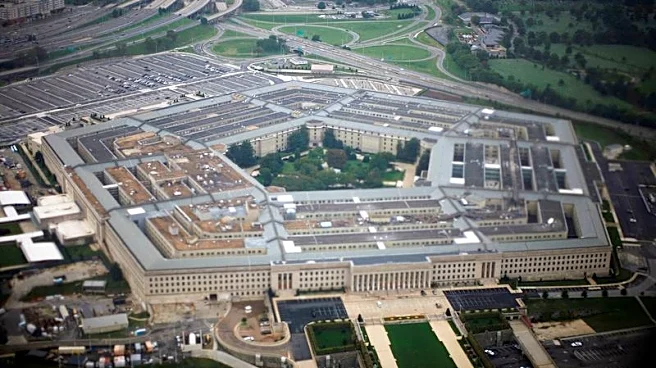
A federal judge has ruled that the Pentagon's revised press policy violates a court order and constitutional rights. The policy, which moved media offices to a separate building and required reporters to be escorted, was deemed an 'attempted end-run'
around a previous ruling. The judge criticized the policy for curtailing First Amendment rights, especially during wartime. The New York Times, which challenged the policy, argued that it was designed to suppress unfavorable journalists. The ruling is a victory for the Times, reinforcing the importance of press freedom and the court's authority.
Why It's Important?
The ruling highlights the critical role of the judiciary in upholding constitutional rights and press freedoms. It serves as a reminder of the potential dangers of governmental attempts to control media narratives, which can undermine democratic principles. The decision is significant for media organizations, as it reinforces their ability to challenge policies that infringe on their rights. The case reflects broader concerns about governmental overreach and the protection of free speech, especially in times of conflict. The ruling may influence future policies and legal battles concerning press access and freedom.
What's Next?
The Pentagon plans to appeal the ruling, indicating that the legal battle over press access will continue. The outcome of the appeal could have implications for future press policies and the relationship between the media and government agencies. Media organizations and press freedom advocates will be closely monitoring the situation to ensure that constitutional rights are upheld. The case may set a precedent for challenging similar policies in the future, reinforcing the importance of judicial oversight in protecting press freedoms.