







What's Happening?
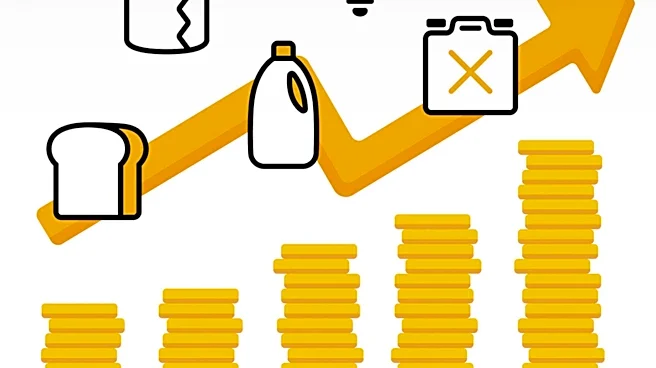
Residential electricity prices in the U.S. are projected to increase by approximately 13% between 2024 and 2027, according to the U.S. Energy Information Administration’s November 2026 Short-Term Energy Outlook. This translates to an estimated $22 more
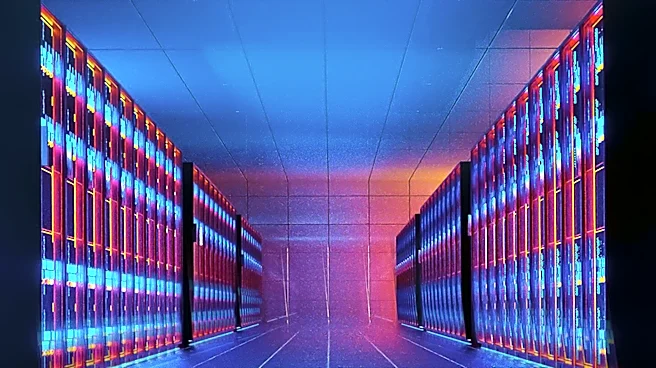
per month, or $264 annually, for a household consuming 1,000 kilowatt-hours monthly. Several factors are contributing to these rising costs, including the need for major investments in America’s aging electric grid, increased demand from artificial intelligence and data centers, fluctuations in natural gas prices, and the impact of extreme weather events. The national average conceals significant regional differences, with some states facing much higher rates due to local infrastructure expenses, fuel costs, and regulatory arrangements. A recent fatal house fire in St. Louis, where occupants were reportedly using candles due to disconnected electricity, has highlighted the severe consequences of utility unaffordability and the importance of access to essential energy services.
Why It's Important?
The continuous rise in electricity costs poses a significant financial burden on American households, particularly those already struggling with other essential expenses like housing, groceries, and insurance. For financially vulnerable families, an additional $20-$30 on a monthly electric bill can lead to difficult choices, such as postponing other payments or cutting back on food. This situation elevates utility affordability into a critical public safety issue, as demonstrated by the St. Louis fire where the absence of electricity led to dangerous living conditions. The increasing costs also raise questions about the equitable distribution of infrastructure expenses, especially as large commercial users like data centers drive up demand. Regulatory decisions on how these costs are allocated among residential, commercial, and industrial customers will have a direct impact on household budgets and the overall economic stability of communities.
What's Next?
As electricity prices continue to climb, utilities and state regulatory commissions will face increasing pressure to balance the need for infrastructure investment with consumer affordability. Regulatory proceedings will likely scrutinize proposed expenses, efficiency of utility operations, and the fairness of cost distribution. States like Missouri have consumer protections, such as the Cold Weather Rule, which offers some safeguards against disconnections during colder months, but these rules do not cover all circumstances or eliminate unpaid balances. There will be a continued focus on expanding energy efficiency programs, strengthening financial assistance for low-income households, and promoting greater transparency in utility rate reviews. Community organizations and utilities will also need to enhance outreach efforts to connect struggling households with available assistance before situations escalate into emergencies.
Beyond the Headlines
The rising cost of electricity extends beyond mere financial strain, touching upon fundamental issues of social equity and public health. The St. Louis tragedy underscores the ethical imperative to ensure access to essential utilities, as lack of electricity can force households into unsafe alternatives, increasing risks of fires and carbon monoxide poisoning. This situation highlights a broader societal challenge: how to maintain a technologically advanced and reliable electric grid without leaving vulnerable populations behind. The increasing demand from energy-intensive industries like AI also brings into focus the long-term implications for energy policy and urban planning, prompting discussions on whether residential customers should subsidize the infrastructure required for commercial growth. Addressing these issues will require a multi-faceted approach involving technological innovation, equitable regulatory frameworks, and robust social safety nets to prevent energy poverty from becoming a widespread crisis.