






What's Happening?
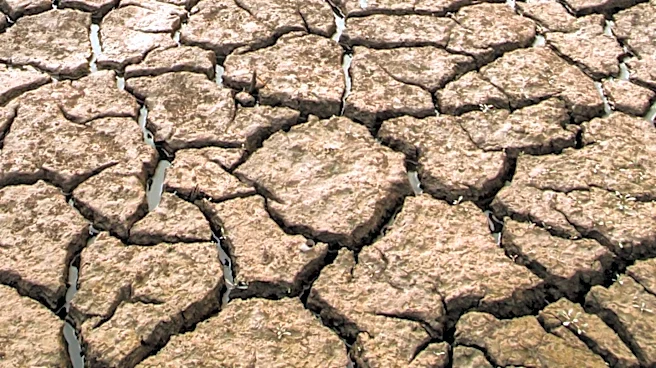
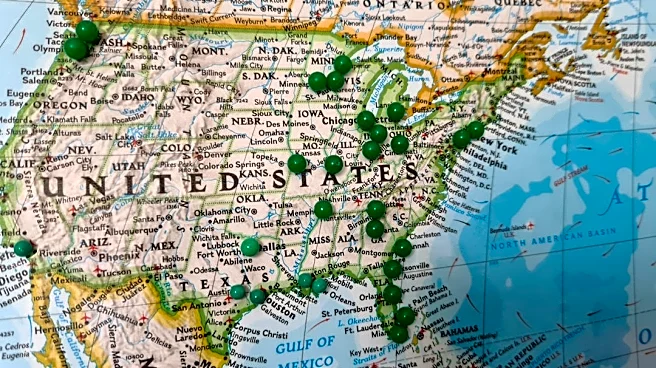
The latest US Drought Monitor report indicates that drought conditions remain a significant concern across various parts of the United States, despite recent localized flooding. Widespread extreme to exceptional drought is affecting the south-central
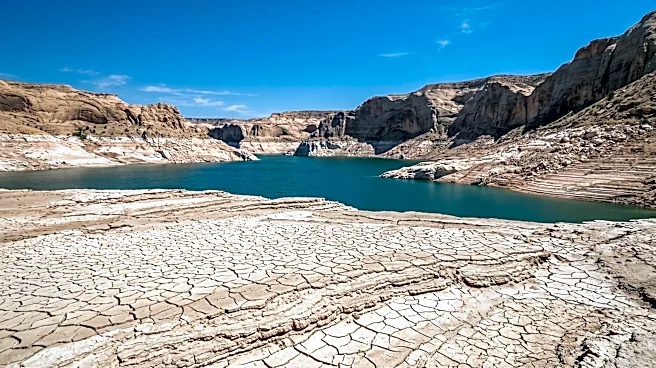
United States. Additionally, parts of the Carolinas, the upper Great Lakes, and the Northeast are experiencing severe to extreme drought. While recent heavy rains have mitigated drought in some areas of the Southwest, severe to extreme drought conditions persist in many parts of the Pacific Northwest and the northern and central Rockies. The report highlights that much of the country has been abnormally dry over the last 90 days, with regions from south Texas to the Ozarks and Tennessee Valley, as well as the West Coast north of central California, receiving less than half of their normal precipitation. Lake Powell has seen a significant water level increase of over 13 feet in the last two weeks due to river flooding, though its current level remains below that of the previous year.
Why It's Important?
The ongoing drought conditions have substantial implications for agriculture, water resources, and local economies in affected regions. Farmers in the south-central US, Carolinas, and other dry areas face potential crop losses and increased irrigation costs, which could lead to higher food prices and economic strain for agricultural communities. Water management authorities are challenged with maintaining adequate supplies for drinking water, sanitation, and industrial use, potentially leading to water restrictions and conflicts over resource allocation. The persistent dryness also elevates the risk of wildfires, threatening property, natural habitats, and public safety. While some areas have seen temporary relief from flooding, the long-term chronic water shortages, particularly in the Colorado River basin, underscore the vulnerability of these regions to climate variability and the need for sustainable water management strategies.
What's Next?
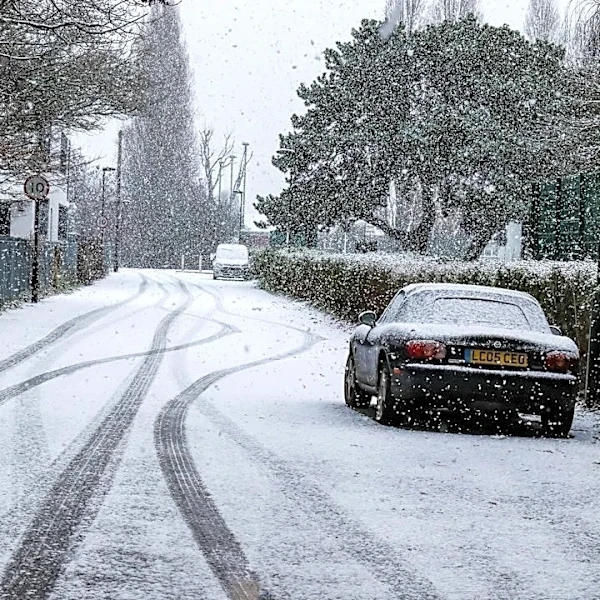
The immediate forecast suggests a relatively inactive and dry week for much of the country, with the exception of south Texas, which may experience heavy rainfall. Towards the end of next week, an evolving weather pattern is expected to bring anomalous warmth to the West and cold to the East. There are early indications of a potential early-season winter storm in the East by next weekend, though significant snowfall is currently projected to be confined to New England and higher elevations of the Appalachians. Long-range models suggest a return to a pattern of a wet Southwest and Intermountain West, and a dry Southeast and Great Lakes, as November progresses. These forecasts will influence water management decisions, agricultural planning, and emergency preparedness efforts in the coming weeks.
Beyond the Headlines
The recurring cycles of drought and, in some instances, subsequent flooding highlight a broader challenge in managing water resources in a changing climate. The influx of sediment and debris into river systems during flood events, as noted in the Colorado River basin, can further complicate water quality and infrastructure maintenance, adding another layer of complexity to drought recovery. This dynamic underscores the need for integrated water management approaches that can address both scarcity and excess, moving beyond traditional seasonal planning. The long-term implications extend to urban planning, infrastructure development, and ecosystem resilience, necessitating adaptive strategies to cope with more extreme and unpredictable weather patterns. The economic and social stability of communities in these regions will increasingly depend on their ability to adapt to these fluctuating environmental conditions.