







What's Happening?
Ukrainian defense forces executed a significant overnight operation targeting Russian military and infrastructure sites in occupied territories. The operation, conducted by the Deep Strike Center of the Unmanned Systems Forces, successfully struck 36
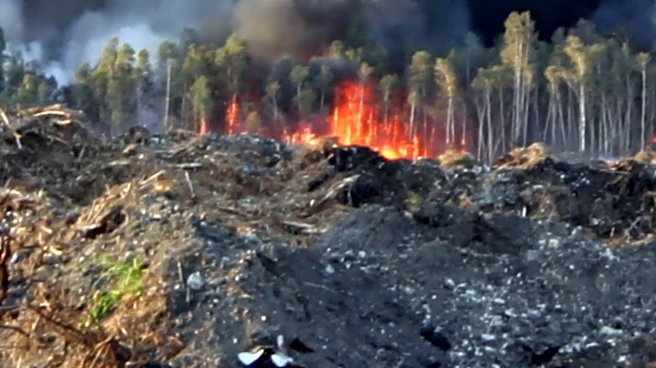
sites, causing substantial damage to Russian logistics and operations. Key targets included two P-18 'Terek' radar systems in the Zaporizhzhia region, a Rubikon command post in Donetsk, and a temporary deployment site for Russian personnel in Kurakhove. The strikes also disrupted the electrical grid, hitting nine substations across occupied areas, including Mariupol and Crimea. The operation involved various Ukrainian units and was coordinated with the Security Service of Ukraine.
Why It's Important?
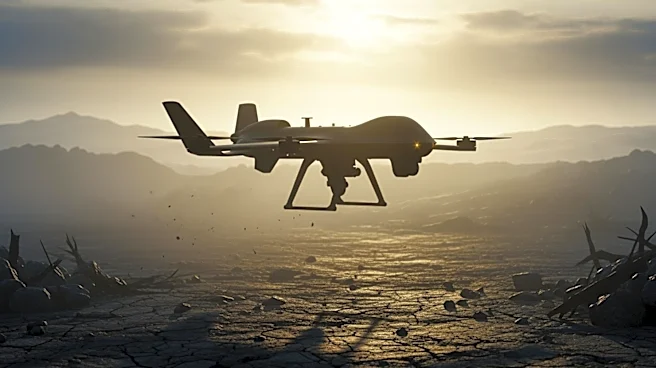
This operation highlights Ukraine's strategic use of drone technology to disrupt Russian military logistics and infrastructure. By targeting key assets, Ukraine aims to weaken Russian operational capabilities in occupied territories. The strikes on electrical substations and logistics hubs could significantly impact Russian military efficiency and supply lines. This development underscores the ongoing intensity of the conflict and Ukraine's determination to leverage advanced military tactics to counter Russian forces. The operation's success may bolster Ukrainian morale and demonstrate the effectiveness of coordinated military efforts.
What's Next?
Following this operation, it is likely that Russia will seek to enhance its defensive measures against drone strikes, possibly by increasing the use of civilian disguises for military logistics. Ukraine may continue to refine its drone strategies to maintain pressure on Russian forces. The international community will likely monitor these developments closely, as they could influence diplomatic efforts and military support for Ukraine. Further operations of this nature could escalate tensions and impact the broader geopolitical landscape.
Beyond the Headlines
The use of drones in modern warfare raises ethical and legal questions about the conduct of military operations and the protection of civilian infrastructure. The targeting of electrical grids and logistics hubs, while strategically significant, also risks collateral damage to civilian populations. This operation may prompt discussions on the rules of engagement and the need for international oversight in conflict zones. Additionally, the adaptation of military tactics, such as disguising military vehicles, reflects the evolving nature of warfare and the challenges of maintaining transparency and accountability.