





What's Happening?
Senior officials from the Israel Defense Forces (IDF) have voiced significant concerns regarding the emerging agreement between the Trump administration and Iran. The IDF is particularly worried that the deal may allow Iran to remain a 'nuclear threshold
state,' retaining the capability to quickly develop nuclear weapons. The agreement, as it stands, does not require the dismantling of Iran's nuclear enrichment facilities or the removal of enriched uranium from the country. Additionally, the IDF is apprehensive about the deal's failure to address Iran's ballistic missile program and its network of regional proxies, including Hezbollah. The IDF fears that the agreement could lead to a temporary cessation of hostilities at the expense of long-term security threats, potentially strengthening Iran's position in the region.
Why It's Important?
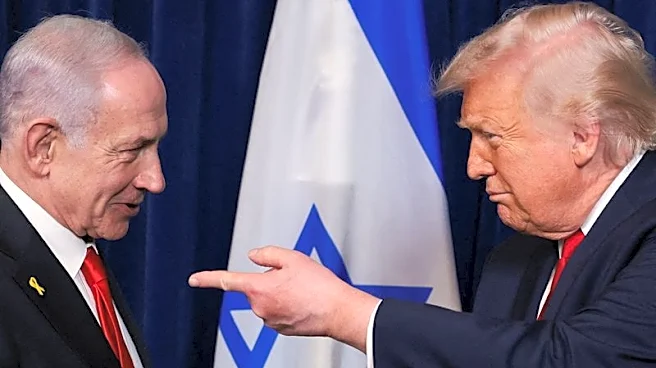
The potential agreement between the U.S. and Iran holds significant implications for regional security and geopolitical dynamics. For Israel, the prospect of Iran maintaining its nuclear capabilities poses a direct threat, as it could enable Tehran to develop nuclear weapons swiftly. The deal's lack of provisions addressing Iran's missile program and proxy networks could further destabilize the Middle East, empowering groups like Hezbollah. The IDF's concerns highlight the delicate balance between diplomatic efforts to stabilize the region and the need to ensure long-term security. The outcome of this agreement could influence U.S.-Israel relations and impact broader international efforts to curb nuclear proliferation.
What's Next?
As the agreement progresses, the IDF is likely to continue its strategic operations against Hezbollah and other Iranian proxies, maintaining readiness for potential escalations. The Israeli government may seek to influence the final terms of the deal through diplomatic channels with the U.S., aiming to ensure that its security concerns are addressed. The Trump administration's approach to the agreement will be closely monitored by regional and global stakeholders, as it could set a precedent for future diplomatic engagements with Iran. The potential lifting of sanctions on Iran could also alter economic and military dynamics in the region, affecting the balance of power.