





What's Happening?
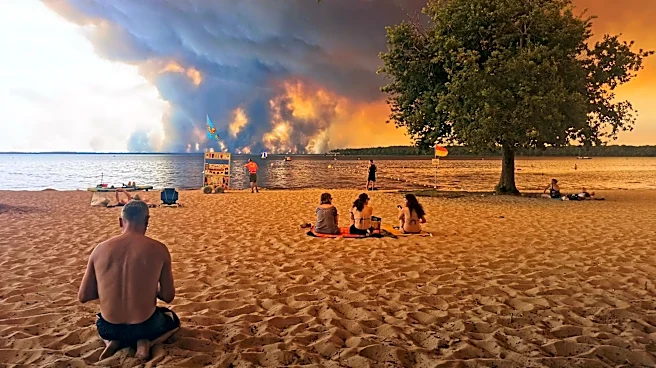
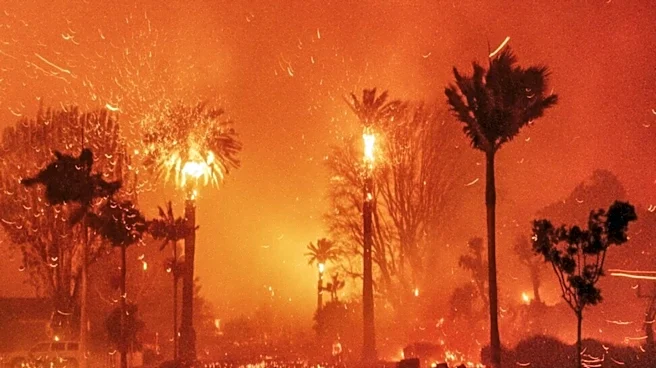
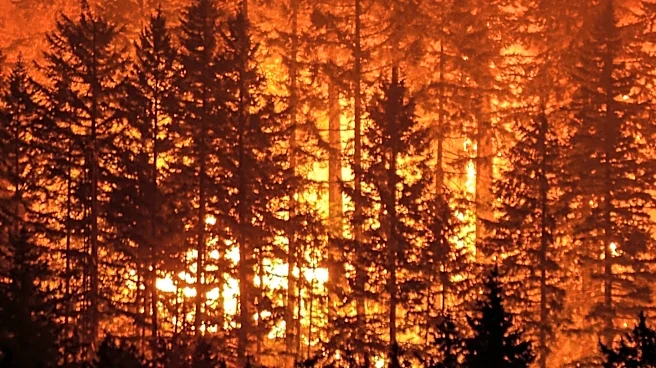
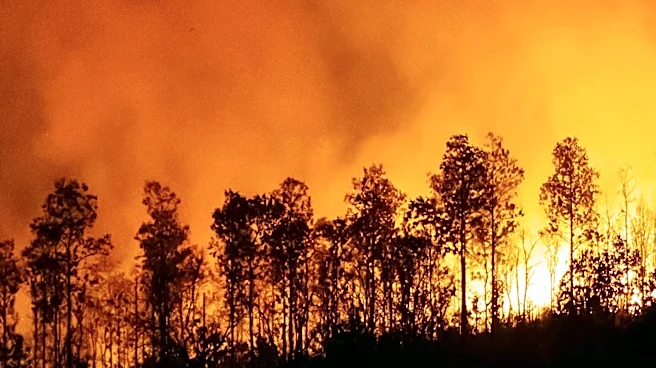
Scientists have determined that human-caused climate change has significantly increased the likelihood of extreme weather conditions fueling wildfires in France and Spain. The World Weather Attribution group found that the conditions in southwestern France are
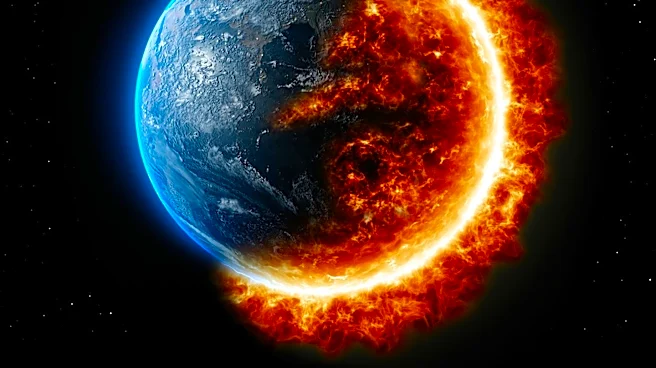
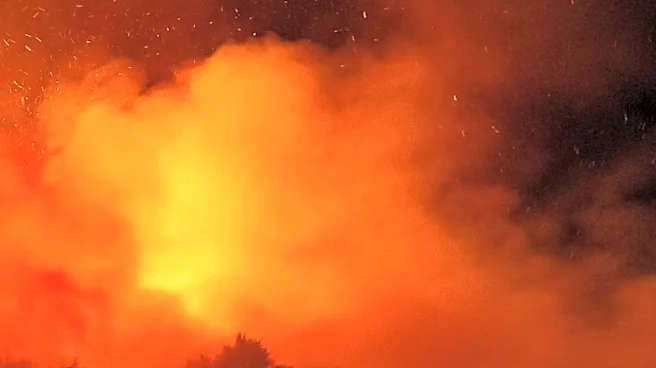
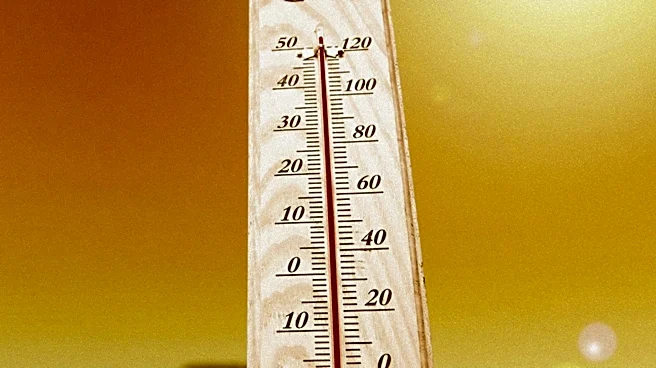
now twice as likely, while those in central Spain are 20 times more likely due to climate change. The ongoing wildfires have forced mass evacuations and scorched large areas of land. The study highlights the role of greenhouse gas emissions in raising global temperatures, which contribute to the hot, dry, and windy conditions that exacerbate wildfires.
Why It's Important?
The findings underscore the urgent need for climate action to mitigate the effects of global warming, which is increasing the frequency and intensity of wildfires. The economic and social impacts of these fires are profound, affecting thousands of people and businesses. The study emphasizes the importance of integrating climate considerations into land management and urban planning to reduce wildfire risks. As climate change continues to alter weather patterns, regions like France and Spain must adapt to protect their populations and economies from future disasters.
What's Next?
Efforts to combat climate change and reduce wildfire risks will likely focus on reducing greenhouse gas emissions and implementing sustainable land management practices. Governments may increase investments in fire prevention and response strategies, including clearing dried vegetation and improving emergency services. The international community may also collaborate on climate adaptation measures to support vulnerable regions. Public awareness campaigns could play a role in encouraging individual and community actions to mitigate climate impacts.