





What's Happening?
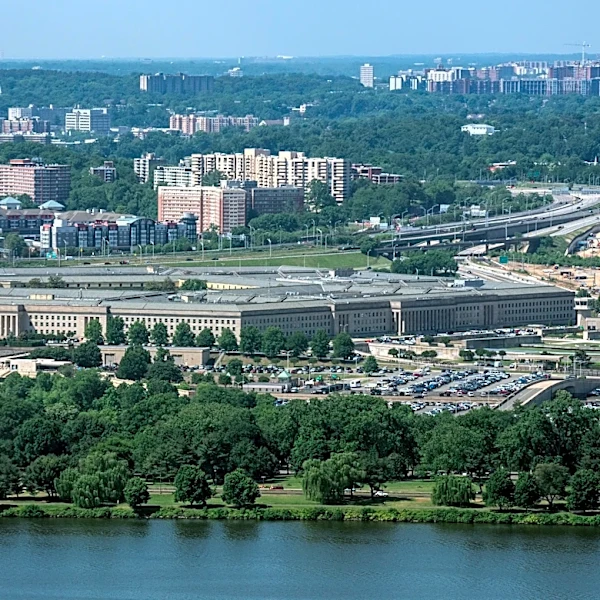
The New York Times has initiated a second lawsuit against the Pentagon, challenging a policy that requires journalists to be escorted while on Pentagon grounds. This policy was introduced by the Trump administration and is seen by the Times as an unreasonable
restriction on press freedom. The lawsuit argues that the policy is retaliatory and hinders effective reporting on the Department of Defense. The Times contends that the policy disrupts the traditional access journalists have had, which allowed them to move freely and gather information efficiently. The Pentagon defends the policy as necessary for protecting national security.
Why It's Important?
The lawsuit underscores the ongoing struggle between the media and government over access and transparency. The outcome could have far-reaching implications for press freedom, particularly in how journalists can report on military and government operations. A ruling in favor of the Times could reinforce the media's role in holding the government accountable, while a decision supporting the Pentagon could lead to more restrictive access policies. This case is pivotal in defining the balance between national security and the public's right to know.
What's Next?
The legal proceedings are expected to continue, with the escort policy remaining in effect during the appeals process. The court's decision will be pivotal in determining future media access to government facilities. Media organizations and civil liberties advocates are likely to monitor the case closely, as it could influence broader press freedom issues. The Pentagon's commitment to maintaining the policy suggests a protracted legal battle, with potential implications for how journalists cover government activities.