







What's Happening?
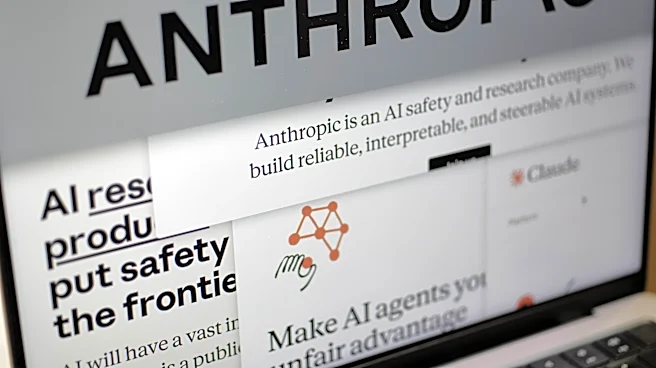
The release of the Claude Mythos tool by Anthropic, a US-based AI firm, has intensified the debate over artificial intelligence regulation between the United States and the European Union. Claude Mythos is touted as the most advanced model for detecting
cybersecurity risks, highlighting the rapid advancements in AI technology. However, the lack of engagement with regulatory agencies during its development has raised concerns, particularly in the EU. Ireland's National Cyber Security Centre (NCSC) reviewed the technical material from Anthropic, noting significant advancements in identifying and patching hardware and software vulnerabilities. Despite this, the tool is only available to a select group of about 40 technology companies, bypassing broader regulatory scrutiny. This situation has caused unease in the EU, which has been working on comprehensive AI regulations through the EU AI Act. The Trump administration's stance, favoring self-regulation by tech firms, contrasts sharply with the EU's approach, leading to tensions.
Why It's Important?
The development and deployment of AI technologies like Claude Mythos have significant implications for global cybersecurity and regulatory frameworks. The US and EU's differing approaches to AI regulation could impact international cooperation and the effectiveness of global cybersecurity measures. The EU's push for comprehensive regulation aims to ensure safety and accountability, while the US's preference for self-regulation reflects concerns about stifling innovation. This regulatory divide could influence the competitive landscape of the tech industry, affecting companies' operations and market strategies. The outcome of this debate will likely shape the future of AI governance, with potential consequences for privacy, security, and economic growth.
What's Next?
The ongoing regulatory discussions between the US and EU are expected to continue, with potential implications for international tech companies and policymakers. The EU may push for stricter enforcement of its AI regulations, while the US could face pressure to reconsider its self-regulation stance. The involvement of pro-AI groups, which have amassed significant funds to influence political outcomes, suggests that the debate will also play out in the political arena, particularly in upcoming elections. The resolution of these regulatory differences will be crucial in determining the future landscape of AI development and its integration into global markets.