








What's Happening?
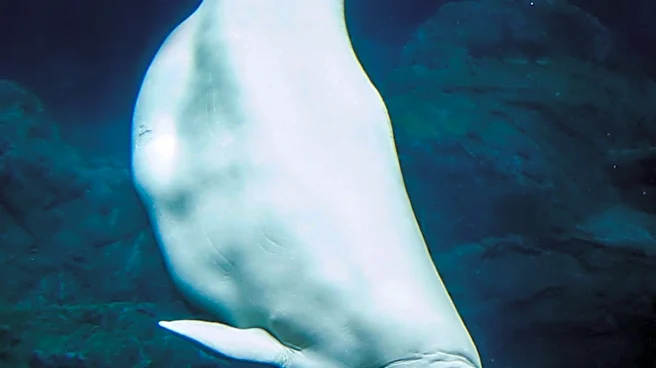
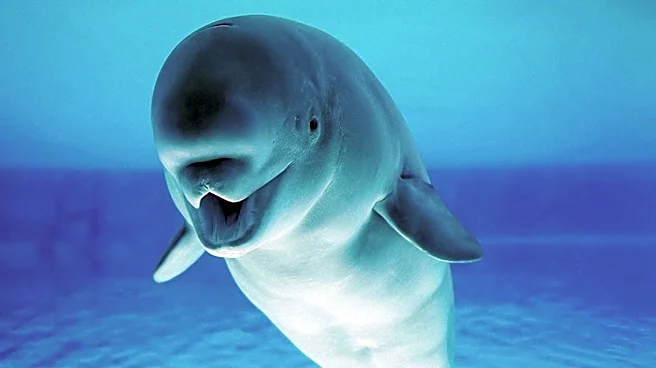
The Shedd Aquarium in Chicago has reported that several beluga whales transferred from Ontario's Marineland are experiencing health issues. This announcement follows the recent deaths of two belugas from Marineland, Peekachu and Rain, and a 34-year-old
beluga that had resided at Shedd for decades. The aquarium is conducting round-the-clock supervision, monitoring the whales' hydration, breathing rates, swim patterns, and social interaction. While some rescued whales are eating regularly, others are not, and the overall health of the belugas is a concern. The aquarium is awaiting lab results to investigate the cause of the recent deaths. Marineland, which is now for sale, completed the largest collective move of captive whales globally, relocating 30 belugas and four dolphins to five aquariums in the U.S. and Spain, ending whale captivity in Canada. This move occurred despite Marineland's prior threat to euthanize the whales if an emergency cash infusion was not received after a plan to move them to China was blocked.
Why It's Important?
This situation highlights significant concerns regarding the welfare of captive marine mammals, particularly during relocation processes. The health issues and deaths of these belugas, despite being given a 'clean bill of health' prior to transfer, raise questions about the adequacy of pre-transfer assessments and the stress associated with such moves. For U.S. aquariums like Shedd, it underscores the challenges and responsibilities involved in caring for rescued or transferred animals, especially those with complex health histories. The incident could lead to increased scrutiny from animal welfare organizations and the public regarding the practices of marine parks and the regulations governing the transfer and care of marine life. It also brings attention to the broader ethical debate surrounding marine mammal captivity and the potential long-term impacts of such environments on animal health and longevity. The financial struggles of Marineland and the subsequent mass relocation also reflect the changing landscape and public sentiment towards marine mammal entertainment.
What's Next?
The Shedd Aquarium will continue its intensive monitoring and care for the remaining belugas, awaiting lab results to determine the exact causes of death and the underlying health issues. This investigation may lead to new protocols or recommendations for the transfer and care of marine mammals in captivity. Animal welfare organizations and regulatory bodies are likely to closely observe the outcomes and potentially advocate for stricter guidelines or independent oversight of such transfers. The incident could also influence public opinion and consumer behavior regarding marine parks, potentially impacting attendance and support for facilities that house captive marine animals. Furthermore, the ongoing sale of Marineland and the end of whale captivity in Canada may set a precedent for other regions, prompting discussions about the future of marine mammal exhibits globally. The findings from Shedd's investigation could also inform future decisions by governments and organizations regarding the ethical treatment and conservation of marine species.
Beyond the Headlines
The health struggles of the transferred belugas delve into the complex ethical and scientific considerations of animal welfare in captivity. The 'clean bill of health' given to the Marineland belugas prior to their relocation, contrasted with their subsequent health decline and deaths, suggests a potential disconnect between pre-transfer assessments and the realities of post-transfer adaptation. This raises questions about the long-term physiological and psychological impacts of captivity and relocation on highly intelligent and social animals like belugas. The situation also highlights the challenges of managing animal populations from financially distressed facilities, where the urgency of relocation might overshadow comprehensive health evaluations. The public's emotional response to these events can significantly influence policy and funding for marine conservation and animal rights, potentially accelerating the shift away from traditional marine park models towards more sanctuary-based approaches or increased focus on in-situ conservation efforts. The incident serves as a poignant reminder of the intricate balance between human entertainment, scientific research, and the ethical treatment of sentient beings.