
What's Happening?
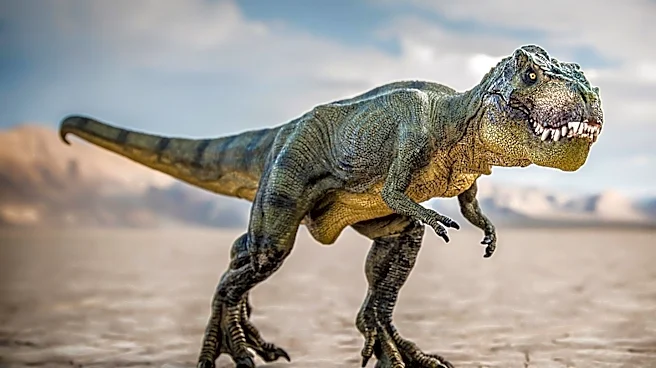
The fascination with dinosaurs continues as scientists explore the possibility of recreating these ancient creatures. Inspired by the fictional concept from 'Jurassic Park,' the idea involves using DNA
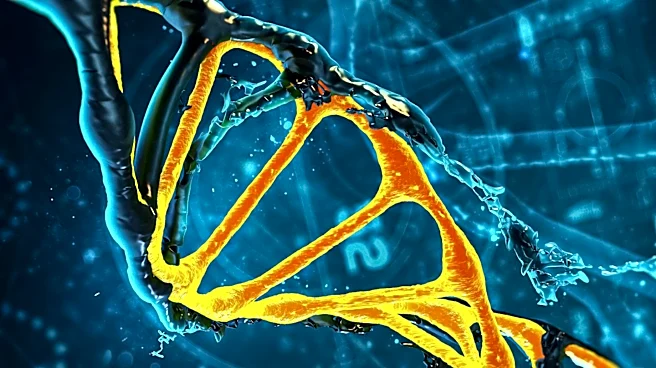
from prehistoric insects trapped in amber to clone extinct species. However, scientific evidence suggests that DNA degrades rapidly, making it impossible to recover a complete dinosaur genome. Current technology, such as CRISPR-Cas9, offers potential for creating hybrid organisms with dinosaur-like characteristics, but ethical and biological challenges remain significant.
Why It's Important?
The exploration of recreating dinosaurs raises important questions about the limits of scientific capabilities and the ethical implications of such endeavors. While the idea captures public imagination, it highlights the challenges of working with ancient DNA and the potential consequences of altering genetic material. The discussion also emphasizes the importance of understanding the ethical considerations of bringing extinct species back to life, including their ecological impact and the moral responsibilities involved.
Beyond the Headlines
The concept of recreating dinosaurs serves as a reminder of the ongoing advancements in genetic engineering and synthetic biology. It also underscores the need for careful consideration of the ethical and ecological implications of such technologies. The fascination with dinosaurs reflects a broader interest in understanding evolution and the history of life on Earth, as well as the potential for future scientific breakthroughs.