
What's Happening?
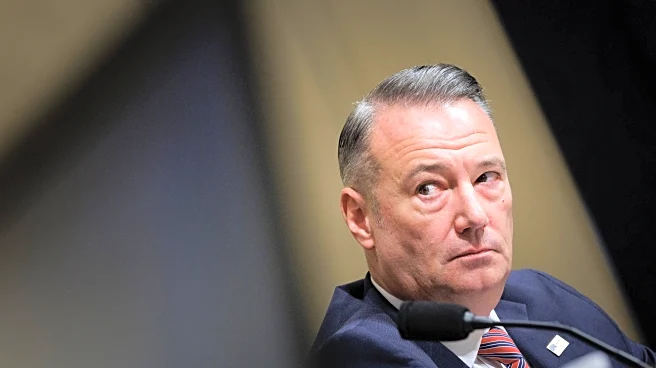
Mississippi State Senator Neil Whaley has introduced a bill, SB 2272, aimed at eliminating the 1.5 percent sales tax on logging and farming equipment. This legislative move is designed to provide financial
relief to commercial farmers across various sectors, including poultry, livestock, fishing, and crop production. The bill also extends to the logging and tree-farming industries, exempting equipment, parts, and labor for machinery that is self-propelled or permanently attached to such equipment. The Mississippi Department of Revenue is tasked with creating an application process for farmers to obtain permits for these exemptions. The bill has garnered support from key state figures, including Commissioner of Agriculture and Commerce Andy Gipson and Lt. Governor Delbert Hosemann, who emphasize the importance of this relief in light of the economic challenges faced by farmers. The bill passed the Senate with a 50 to 1 vote and now awaits consideration in the House of Representatives.
Why It's Important?
The proposed tax exemption is significant as it directly addresses the financial burdens faced by Mississippi's agricultural sector, which is the state's largest industry, contributing an estimated $9.51 billion annually. By reducing operational costs, the bill aims to stabilize and potentially enhance the economic viability of farming operations, particularly in a period marked by fluctuating commodity values and economic uncertainty. The relief could help sustain the livelihoods of farmers and support the broader agricultural economy, which is crucial for the state's economic health. The measure also reflects a legislative commitment to bolstering local industries and ensuring the sustainability of agricultural practices in Mississippi.
What's Next?
Following its passage in the Senate, the bill will be reviewed by the Mississippi House of Representatives. If approved, the Department of Revenue will implement the necessary processes for farmers to apply for and receive the tax exemptions. The outcome of this legislative process will be closely monitored by stakeholders in the agricultural sector, as it could set a precedent for similar measures in other states. Additionally, discussions may arise regarding the inclusion of small family farmers in the exemptions, as suggested by State Senator Angela Hill.