
What's Happening?
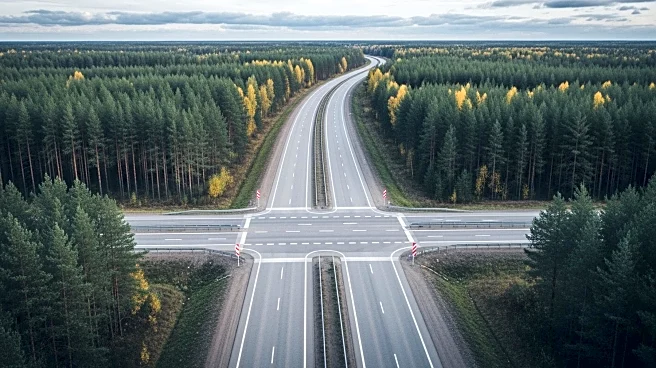
Defence ministers from Estonia, Latvia, and Lithuania have agreed to create a Military Mobility Area (MMA) on NATO's Eastern Flank, allowing military assets to move freely across their borders. This initiative aims to consolidate resources and enhance
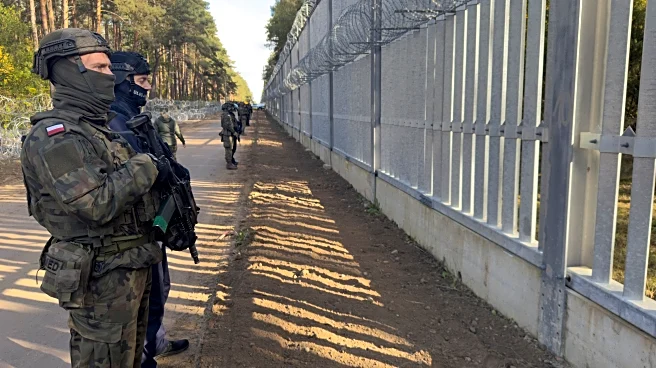
security in response to potential threats from Russia. The agreement seeks to eliminate bureaucratic barriers that could impede a unified military response. The Baltic States view this as a critical step in strengthening their collective defense posture, especially given the strategic vulnerabilities posed by the Suwalki Gap and potential Russian aggression.
Why It's Important?
The creation of the MMA is a strategic move to bolster the defense capabilities of the Baltic States against potential Russian threats. By allowing unrestricted movement of military assets, the Baltic States can respond more effectively to crises, enhancing their security and that of NATO's Eastern Flank. This agreement also reflects broader efforts to improve military mobility across Europe, addressing infrastructure challenges that have historically hindered rapid deployment. The initiative underscores the importance of regional cooperation in maintaining stability and deterring aggression in a geopolitically sensitive area.
What's Next?
The Baltic States aim to expand the MMA concept to a wider 'military Schengen zone' across Europe, though this faces challenges due to infrastructure differences and regulatory barriers. Efforts to integrate military mobility across the continent will require significant investment and coordination, with the EU identifying numerous infrastructure projects as priorities. The success of the MMA could serve as a model for broader European military cooperation, potentially influencing future NATO and EU defense strategies.