




What's Happening?
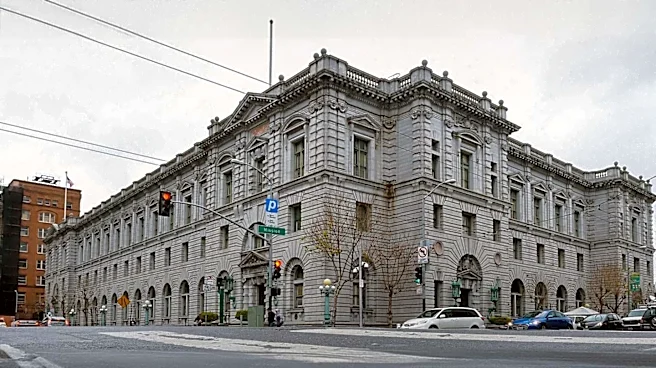
The city of Pocatello is exploring the potential relocation of its city hall to the Historic Federal Building. An open house was held on July 15 where architects presented initial findings from a feasibility study on this move. Attendees were also given
guided tours of the current city hall, revealing its operational challenges. The current city hall, located at 911 North 7th Avenue, was originally designed as a retail space with a lifespan of 20 to 30 years, but has been in use for approximately 50 years. Issues include an inability to expand, inefficient layout with 'dead space' and cramped departments like the police, lack of natural light, and recurring plumbing and electrical problems. The Historic Federal Building, constructed in 1916, is being considered as a more suitable and durable alternative.
Why It's Important?
This potential relocation is significant for Pocatello as it addresses critical infrastructure deficiencies and aims to improve the functionality and efficiency of city government operations. The current city hall's outdated design and structural issues, such as inadequate electrical systems and plumbing, not only create an uncomfortable and potentially unhealthy work environment for city employees but also hinder effective public service delivery. Moving to the Historic Federal Building, which is described as 'stout' and built with civic use in mind, could provide a long-term solution, enhance the city's image, and potentially revitalize the downtown area. The decision will impact taxpayer funds, city services, and the overall urban development strategy for Pocatello, balancing the costs of renovation versus relocation.
What's Next?
VCBO Architecture is conducting a feasibility study, with final results expected in the fall. This study will provide detailed information on the condition of the Historic Federal Building's HVAC, electrical, and plumbing systems, as well as potential costs for renovation and adaptation. The study will also address parking solutions, including potential strategies like shared parking agreements, expanding bus and bicycle facilities, or even constructing a parking garage. Once the full study is presented, the City Council will make a determination on whether to proceed with the relocation project. Public input, like that from resident Judy Peters who expressed concerns about parking, will likely continue to be a factor in the decision-making process.
Beyond the Headlines
The debate over relocating Pocatello City Hall extends beyond mere logistics, touching upon themes of historical preservation, urban revitalization, and civic identity. Repurposing the Historic Federal Building could breathe new life into a significant downtown landmark, fostering a sense of community pride and potentially attracting further investment in the area. Conversely, the decision highlights the broader challenge many U.S. cities face with aging public infrastructure and the financial implications of maintaining or replacing it. The discussion also brings to light the evolving needs of government offices, from security requirements to employee well-being, and how these factors influence architectural and urban planning decisions in the 21st century.